 When selling your home, traditional advice says to set a high asking price and gradually lower it. However, a counterintuitive strategy often yields better results: pricing your home slightly below market value.
This approach leverages market dynamics and buyer psychology to create urgency and competition, ultimately driving the final sale price higher. Let’s explore how this strategy works and why it might be the key to maximizing your profit.
How To Sell Your House On Your Own
This video reveals the secrets to a successful "For Sale By Owner" (FSBO) strategy in today's digital market.
10 PROVEN Strategies To Increase A Home's Selling Profit
Discover the 10 most effective 2025 home selling strategies that will get your property sold quickly and for maximum profit.
2025s HOTTEST Home Selling Strategies You Need NOW
Discover the 10 most effective 2025 home selling strategies that will get your property sold quickly and for maximum profit.
The 3-DAY Method To Sell Your Home For More (2025)
How to sell your home in just three days and get more money than if you did a more protracted sale.
The Best Time To Lower The Price In A Home Sale
Discover the best time to lower your home's price and maximize your profits in today's real estate market.

How FOMO Makes Your Home Sale More Profitable
We reveal the secrets of leveraging FOMO (Fear of Missing Out) to create a competitive environment among buyers, driving up offers and making your home...

Home Sale Sabotage: Top 10 Mistakes Sellers Make
The top 10 mistakes sellers make usually stem from ignorance. Once these concepts are explained, most sellers take corrective action and strengthen their position.
The Best Time To Lower The Price In A Home Sale
Discover the best time to lower your home's price and maximize your profits in today's real estate market.
Want to Sell Your Home Quickly and Profitably? Watch This Now
This video guide walks you through the entire process of how to sell your home quickly and profitably without an agent, from prep to closing.
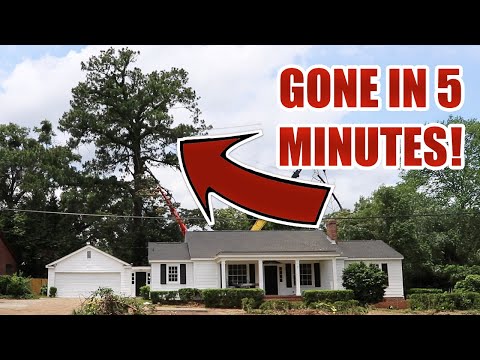
Time-Lapse Tree Removal!
This video captures a detailed time-lapse of the removal of a massive pine tree, a task executed by the skilled Pro Tree Service team over...
What Does A Realtor Earn?
In the aftermath of the landmark Burnett v. NAR case, the verdict has sparked a national conversation and a series of legal challenges that question...
How To Sell Your House When You Are In A Hurry
Would you like to know how to sell your home fast without losing out on your hard-earned equity?
Do's And Don'ts During The Home Loan Process
During the home loan process, you'll want to avoid negatively impacting your loan pre-approval in any way

7 Tips On Buying A Home With A Pool
Buying a home with a swimming pool can be as exciting as it is daunting. Swimming pools are not just a symbol of luxury and...
How much house can you actually afford (By Income)?
Not how much home you can afford, but how much house can you ACTUALLY afford (by Income). Here's what you should know.

What Sellers Need To Know About Robo-Offers In Real Estate
Robo offers in real estate are transforming the traditional home selling process, bringing both opportunities and challenges for sellers.





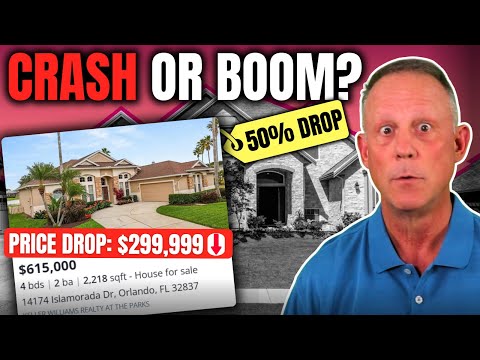
Housing Crash or Boom? Here’s What’s Coming in 2025
In this video, we break down expert forecasts, market trends, and key economic indicators to reveal what’s really ahead for real estate.
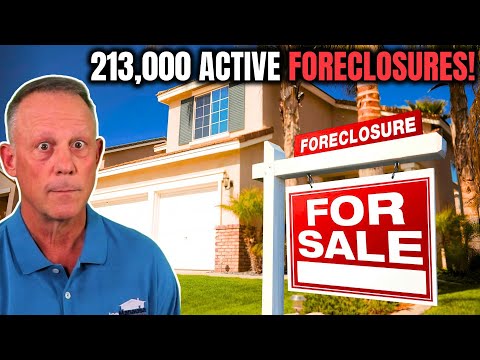
BIGGEST Housing Market Myth EXPOSED by New Foreclosure Data
The hidden truth about rising foreclosure rates, what the mainstream media isn’t telling you, and what this means for the housing market.