Did you know that only 3-4% of homeowners successfully sell their house without a real estate agent to buyers they didn’t already know? The rest either fail to sell or end up paying that commission anyway.
In the video and narrative below, I’m going to show you exactly how to join that successful minority and save over $13,000 or more in commission on an average-priced home. I’ve helped thousands of homeowners do this, and the strategy has completely changed in the digital age.
The Hidden Costs of DIY Home Selling
Did you know most FSBO sellers actually lose money despite avoiding commission fees? Let’s unpack why.
When homeowners decide to sell without an agent, they’re typically motivated by one compelling number: the commission savings. At 5-6% of your sale price, that could mean pocketing an extra $13,000 to $20,000 on a $350,000 home. On paper, this math seems straightforward – but real-world results tell a different story.
The most surprising statistic that catches FSBO sellers off guard is that their homes typically sell for 5-7% less than agent-listed properties. This percentage gap often completely erases the commission savings you were counting on. The financial impact extends further when these homes sit on the market longer – each additional month means another mortgage payment, property taxes, insurance, and utilities that silently eat away at your theoretical savings.
Here’s what most sellers miss: the internet has completely transformed the homebuying process. Today, 94% of homebuyers begin their search online, which means your marketing strategy must be digital-first to capture qualified buyers. Consider the common FSBO mistake of posting low-quality cell phone photos on a single website, when professional agents typically deploy high-resolution imagery across multiple platforms, social media campaigns, and targeted email marketing to reach thousands of potential buyers.
This digital visibility gap creates a concrete financial problem. Without access to the Multiple Listing Service and professional marketing channels, your home simply doesn’t get seen by enough potential buyers. Less visibility means less competition, and less competition inevitably leads to lower offers.
The psychological element compounds this issue. When buyers see a FSBO listing, they immediately assume they should get a discount. Their reasoning? “Since you’re not paying an agent, you can afford to sell for less.” This mindset puts you at an immediate disadvantage in negotiations.
Picture this: after a long workday, you rush home to prepare for your third showing of the week. You’ve already fielded twelve calls from “buyers” who turned out to be scammers or agents trying to list your home. You’re exhausted, your house must remain spotless, and your family’s routine is constantly disrupted. Meanwhile, you’re questioning if the price is right as your listing gets fewer views than comparable agent-listed homes in your area.
The critical mistake FSBO sellers make is failing to implement professional-level marketing strategies that create competition among buyers. When buyers compete, prices rise – it’s simple economics. Yet creating this competition requires more than just posting your listing online and hoping for the best.
With 34% of listed homes failing to sell each year, simply putting a property on the market is no guarantee of success. The difference between homes that sell quickly at premium prices and those that linger often comes down to marketing execution that drives buyer interest and creates urgency, all at the right time.
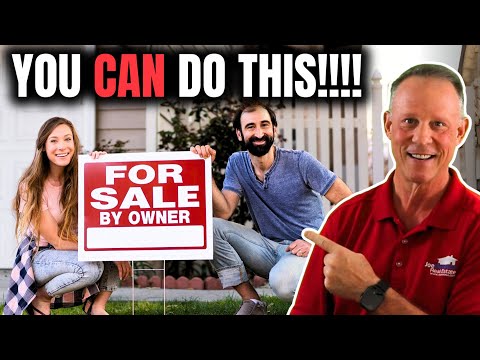
YOU CAN SELL A HOUSE ON YOUR OWN!
One thing you need to understand right up front is that the only differences between you and a real estate professional or another “For Sale By Owner” are knowledge and experience. Experience is tough to gain but knowledge is available right here.
Simply scan the QR code at the right (or visit www.theFSBObook.com) to secure a copy of the ultimate homeowners user manual for selling a home without paying a listing agent. Don't make the mistakes listed in the book, or you might find yourself among the 96% of FSBO sellers who fail to sell a home to somebody they didn't already know.
If you're selling FSBO, it's likely to save money, right? Follow my guide and the extra money will be there for the taking!
Creating Your Competitive Edge Through Preparation
What’s the single biggest difference between FSBO homes that sell quickly at full price versus those that sit for months getting lowball offers? Surprisingly, it’s not marketing budget or location—it’s how thoroughly the seller prepared their property before that first listing photo was ever taken.
Today’s buyers have spent an average of 9 months researching homes online before making a purchase. They’ve developed a trained eye for potential issues and value indicators. They compare your home to dozens or more they’ve seen online, creating a mental checklist of what constitutes a “ready home.”
Here’s where most homeowners run into trouble: we’ve literally become “nose blind” to our own properties. That family photo wall combined with your unique kitchen paint color? Potential buyers see clutter and mentally subtract $3,000 for repainting. The minor leak under the bathroom sink you’ve learned to live with becomes a potential $15,000 plumbing nightmare in buyers’ minds.
This emotional attachment creates what I call the “preparation gap.” Success for FSBO sellers comes from those who transformed their cluttered, personalized home into a neutral, spacious showplace. By removing 40% of their belongings and addressing minor repairs, they create a bidding war, sell fast, and net more than comparable homes in their neighborhoods.
A critical strategy professional agents use is the pre-listing inspection. Having a professional home inspector evaluate your home before listing allows you to identify and address potential issues on your terms. As one client shared, “Finding and fixing the minor electrical issues before listing saved us $9,000 in concessions and kept our deal from falling apart.”
When buyers discover repairs during their inspection, they demand concessions that significantly exceed actual costs. By identifying these issues ahead of time, you maintain control over how and how much to fix.
The “as-is” approach is particularly dangerous for FSBO sellers. While it seems easier to just disclose everything, today’s market reality is that most buyers want turn-key properties. Those that don’t, expect deep discounts.
Properly staging your home can increase your final sale price by 1-5%. Effective staging makes your home “open, airy, light, and bright,” allowing prospective buyers to envision themselves living there.
Focus on creating that blank canvas: declutter aggressively, apply fresh neutral paint, conduct a deep cleaning, and enhance curb appeal with simple landscaping improvements. Outside, create “a smart, low-maintenance outdoor oasis” with colorful flowers brightening entryways.
Once properly prepared, professional photography becomes your most powerful selling tool. “85% of buyers say photos are the deciding factor in whether they view a property.” These images showcase the staging work you’ve done and capture the inviting atmosphere you’ve created.
Create a detailed property information packet including pre-inspection reports, utility costs, and home improvement records. This builds buyer confidence and demonstrates your transparency.
When showing your home, ensure it’s meticulously clean, turn on all lights, open window coverings, and consider using fresh flowers. Always leave during showings—buyers need space to honestly discuss what they’re seeing.
Keep Up With New Trends In Tallahassee!
Get The Tallahassee Real Estate Newsletter
Don't be the one that doesn't know what's going on when you sell a home or buy a home in Tallahassee.
Other buyers, sellers, lenders, and real estate agents have this critical information, and now you can too!
Get immediate access to our most recent newsletter.
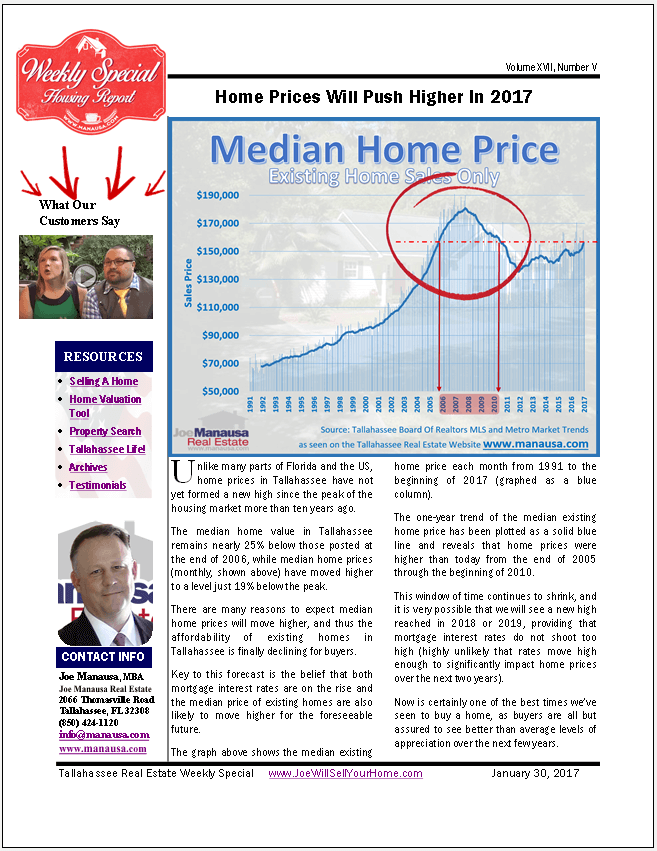
Let more than 30 years of experience work for you with charts, graphs, and analysis of the Tallahassee housing market.
Strategic Marketing and Pricing to Create Buyer Competition
After properly preparing your home for showings, let’s tackle what might be the most counterintuitive part of selling on your own – strategic pricing. Most FSBO sellers make a critical mistake right here. While conventional wisdom suggests pricing high to leave room for negotiation, this outdated approach actually works against you in today’s digital marketplace.
Imagine setting the stage for a bidding war like launching a blockbuster movie. The psychology behind home pricing is fascinating. When you price your home at or above market value hoping to “negotiate down,” you’re attracting buyers looking for a nicer home and repelling those who would compete for your property. Today’s buyers are informed, having studied comparable homes online. They can immediately spot an overpriced listing and simply move on.
Strategic underpricing creates a perception of value that attracts multiple interested parties by tapping directly into buyer psychology. When potential buyers see a home priced slightly below what their research indicates it’s worth, they perceive it as a deal and rush to see it before someone else claims it.
This approach works because buyers compare properties online. Picture yourself as a buyer. You set search parameters to narrow homes to your specific needs. The resulting properties are arranged with the lowest priced homes at the top. Being at the top of this list is crucial if you want to sell for top dollar.
The competition generates powerful FOMO (fear of missing out). When multiple buyers want your home, they make stronger initial offers, focusing on not losing to another buyer rather than getting a deal. This competition can lead to a bidding war where your slightly underpriced home sells for significantly more than if priced high initially.
To determine the right strategic price point, conduct a thorough market analysis of recently sold properties of similar size and condition, current listings, and even failed listings. Study homes that attracted multiple offers – what price point triggered that competition?
Pricing strategy must be paired with pre-marketing to build anticipation. Think of your house launch like a product launch – building excitement increases perceived value. A “coming soon” campaign through social media posts, email announcements, and a yard sign generates significant buzz, creating a pool of eager buyers ready the moment your home is officially listed.
Create a single-property website as the hub for all marketing, highlighting special features and showcasing professional photography. Use targeted Facebook and Instagram advertisements to reach people most likely to want a house like yours. Ask friends to share your posts during your “coming soon” period to maximize visitors on your first showing day.
This combined approach of strategic underpricing with effective pre-marketing often results in multiple offers within days, frequently selling above asking price.
We reveal the secrets of leveraging FOMO (Fear of Missing Out) to create a competitive environment among buyers, driving up offers and making your home...
The top 10 mistakes sellers make usually stem from ignorance. Once these concepts are explained, most sellers take corrective action and strengthen their position.
You Can Do This
So here’s the bottom line – you absolutely can sell your home yourself and walk away with more money in your pocket. The secret is creating a situation where multiple buyers compete for your property. This auction-like environment drives prices beyond traditional methods.
When buyers compete, they focus on winning rather than fixating on minor issues – especially powerful in today’s tight inventory market.
I took everything I’ve learned from brokering thousands of homes and put it into a 61-page step-by-step system that teaches you how to: Price your home correctly—so it sells fast and for top dollar. Market your home effectively—without wasting money. Get high-quality listing photos—that make buyers stop scrolling. And negotiate like a pro—so you avoid lowball offers.
Summary This Tallahassee real estate graph report reveals a widening divide between the homes Leon County buyers purchase and the new homes the market is
Summary The Greater Tallahassee housing market midyear update shows an active market that is slower than the peak years, more payment-sensitive than many sellers realize,

 One thing you need to understand right up front is that the only differences between you and a real estate professional or another “For Sale By Owner” are knowledge and experience. Experience is tough to gain but knowledge is available right here.
 Don't be the one that doesn't know what's going on when you sell a home or buy a home in Tallahassee.