
Keep Up With New Trends In Tallahassee!
Get The Tallahassee Real Estate Newsletter
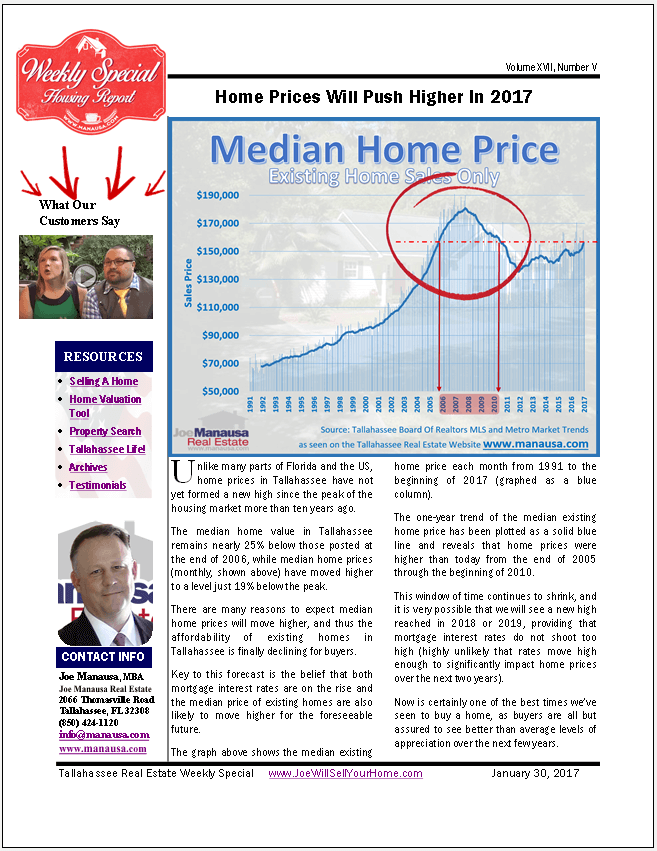 Don't be the one that doesn't know what's going on when you sell a home or buy a home in Tallahassee.
Other buyers, sellers, lenders, and real estate agents have this critical information, and now you can too!
Get immediate access to our most recent newsletter.
Let more than 30 years of experience work for you with charts, graphs, and analysis of the Tallahassee housing market.
But cracking the code isn’t just about the numbers – it’s about understanding why those numbers are so off.

What if I told you that most housing analysts work with a broken calculator? Their estimates aren’t just wrong – they’re dangerously misleading. And it’s affecting home affordability more than you realize.
This graph is a simple count of the number of housing units created each year. Up to the late 1980s, Erdmann asserts that production fairly consistently delivered the number of units needed. Moving forward from where the two lines meet, the blue line plots the number of homes completed while the red line reports the number of completed homes that were needed. This adds up to a shortage of about 15 million units, which is on the low side of what Erdmann thinks we need.
Let’s dive into why most analysts are getting it wrong. Erdmann points out a fundamental flaw in their thinking: the belief in a natural cap on housing needs at 2 million units. This misconception has been deeply ingrained in the industry for years, leading to a severe underestimation of the true scale of our housing crisis.
Erdmann doesn’t mince words when he says, “There is no cap.” This simple statement challenges years of conventional wisdom in the real estate world. The problem? Housing production has been obstructed for decades, skewing our mental benchmarks and leaving us with outdated models that no longer reflect reality.
Think about it – if we’ve been consistently under-building for years, how can we accurately gauge what “normal” looks like? It’s like measuring your height with a ruler missing a few inches. You might think you’re taller than you really are, and in the housing market, that miscalculation has serious consequences.
But why do these misconceptions persist? Erdmann tells us its “Fear.” Many analysts are reluctant to challenge mainstream narratives. It’s safer to stick with the crowd, even if the crowd is heading in the wrong direction. This fear of deviation from consensus perpetuates the problem, leading to a lack of innovative solutions and a continued underestimation of the housing shortage.
The result? A housing market analysis that’s out of touch with the true dynamics of supply and demand. It’s not just a numbers game – it’s a fundamental misunderstanding of how our housing sector actually works. And guess who pays the price for this misunderstanding? That’s right – buyers and sellers, especially those with lower price range needs.
These outdated and overly conservative estimates aren’t just academic exercises. They directly impact policy decisions, building plans, and market predictions. When analysts underestimate the housing shortage, it leads to insufficient construction, continued price escalation, and an increasingly out-of-reach market for many Americans.
So, what does this mean for you? If you’re a buyer, it means you’re facing a market that’s even tighter than you’ve been led to believe. Those “good deals” might be even rarer than you thought. For sellers, it means you will be hesitant to sell your home, knowing you might not be able to afford its replacement.
But here’s the silver lining—understanding this flaw in mainstream analysis gives you an edge. You’re now equipped with knowledge many in the market don’t have, so you can make more informed decisions whether you’re buying, selling, or investing in real estate.
Erdmann’s analysis challenges the status quo and calls for a complete re-evaluation of how we assess housing shortages. It’s a wake-up call to question the reliability of mainstream estimates and advocate for more aggressive building policies.

Fannie Mae Report: It's The TRUTH About The Housing Market
Real Estate Meltdown: Starter Homes at $1M in 233 Cities

Is the Housing Market Crashing? | Redfin April 2025 Update

Is This The CALM Before The CRASH? Volatility Rocks Housing

Warning Signs For Home Buyers And Sellers
So how do we actually solve this housing shortage? Erdmann’s research points to a surprising solution that might seem counterintuitive at first. What if flooding the market with new homes could actually make housing more affordable for everyone?
Let’s dive into Erdmann’s data-driven approach. He’s not just throwing numbers around – he’s got a model that could reshape our entire understanding of the housing market. According to Erdmann, a 1% increase in housing supply could lead to a 4% decrease in home prices. That’s a significant impact, and it challenges the idea that building more homes will only drive prices up.

But here’s the kicker – Erdmann’s projections suggest it’ll take about 20 years to address the current housing shortfall and return to historical affordability levels. That’s right, two decades. It’s a long-term game, but one that could have massive payoffs for homebuyers and the economy as a whole.
In this graph, Erdmann proposes a one percent increase in the housing stock (the red line as the target and the blue line as completed) to forecast the 4% decline in home values (shown in black).
You might be thinking, “Can we really build that many homes?” Erdmann argues that housing production could sustainably exceed 3 million units annually. That’s a number that’ll make most analysts do a double-take. It challenges the notion of a natural cap on the housing supply that’s been holding back our thinking for years.
This isn’t just academic theory – it’s a roadmap for solving the housing crisis. Erdmann’s analysis provides a clear, actionable path through increased construction. But it’s not just about building more – it’s about building smarter and understanding the true dynamics of supply and demand in our housing market.
Think about what this could mean for you. If you’re a homebuyer, it could mean more affordable options in the future. If you’re a seller, it might change how you think about timing your sale. And if you’re an investor? Well, this could open up some exciting opportunities.
But let’s be clear—this isn’t a quick fix. Erdmann’s talking about a make-up period to build the houses that should have been built over the past 25 years. It’s like we’ve been running a housing deficit, and now we need to pay it back with interest.
The good news? This rate of construction isn’t unprecedented. Erdmann notes that it’s actually moderate compared to historical rates before the 1990s. We’ve done it before, and we can do it again.
This analysis isn’t just changing how we think about housing – it’s changing how we think about the entire market. It suggests that our current construction rate is below neutral. In other words, we’re not even treading water – we’re sinking deeper into the housing shortage every year we don’t ramp up production.
This isn’t just about building houses—it’s about building wealth—for homeowners, investors, and communities. It’s a vision of a future where housing is more accessible, where the market is more balanced, and where the American dream of homeownership isn’t just a dream for so many.



Housing Crash or Boom? Here’s What’s Coming in 2025
BIGGEST Housing Market Myth EXPOSED by New Foreclosure Data
Now, you might be wondering how this housing boom could affect your wallet. What if I told you that some of the biggest investment funds are betting big on single-family homes for the first time ever? There’s a reason they’re making this move, and it could spell opportunity for savvy investors and homebuyers alike.
Let’s break down what Erdmann’s analysis means for you. Remember that 1% increase in housing supply leading to a 4% decrease in home prices? If we follow Erdmann’s suggestions and ramp up construction, we could see significant prices cool over time.
But here’s the kicker – this isn’t going to happen overnight. We’re looking at a 20-year journey to restore affordability. That might seem like a long time, but it’s actually an opportunity if you know how to play it right.

For homebuyers, this could mean more affordable options down the line. But don’t sit on your hands waiting for prices to drop. If you’re in a position to buy now, consider that prices might continue to rise in the short term due to the current shortage (not to mention what happens if Erdmann’s solution is not put into play).
Investors, pay attention. The fact that large investment funds have entered the single-family home market for the first time ever is a big deal. These guys don’t make moves unless they see serious potential for returns. They’re betting on continued price appreciation due to insufficient building. Based upon our policy makers’ actions over the past twenty-five years, it’s sadly likely to continue. That’s a signal you might want to consider.
If you’re thinking about investing in real estate, Erdmann’s analysis suggests looking at homebuilder stocks. Companies like Hovnanian are currently trading at what could be a significant discount. Erdmann estimates that if the market grows by 50% and margins normalize, Hovnanian’s stock could potentially triple in value.
But it’s not just about stocks. This analysis changes how we think about the entire real estate market. If you’re planning to buy a home in the future, start preparing now. Save aggressively, work on your credit score, and stay informed about market trends in your area.
For sellers, this information is crucial too. If you’re thinking about selling, consider the timing carefully. If more homes are built and supply increases, you might see less competition and potentially lower prices. But remember, this is a long-term trend. In the short term, the shortage is still very real and most markets remain strongly held by sellers.
Here’s something to think about – if we’re really short 15 million homes, that’s a lot of construction jobs, a lot of materials needed, and a lot of ancillary businesses that will benefit. Could there be investment opportunities there too?
The key takeaway here is that understanding the true scale of the housing shortage gives you an edge. You’re now equipped with knowledge that many in the markets don’t have. Use it to make more informed decisions, whether you’re buying, selling, or investing.
And let’s not forget the bigger picture. This isn’t just about individual gain – it’s about addressing a critical issue that affects millions of Americans. By understanding and acting on this information, you’re not just potentially improving your own financial situation. You’re also contributing to a solution for a nationwide problem.



How To Sell Your House On Your Own

10 PROVEN Strategies To Increase A Home's Selling Profit
2025s HOTTEST Home Selling Strategies You Need NOW
The 3-DAY Method To Sell Your Home For More (2025)

The Best Time To Lower The Price In A Home Sale

How FOMO Makes Your Home Sale More Profitable