
The New Construction Nosedive
Let’s discuss a massive issue in the housing market that’s not getting enough attention. According to Redfin, new homes now make up only 28% of all homes for sale, the lowest level we’ve seen in three years. This is a big deal because the biggest problem in the US housing market is the inventory shortage.

We just don’t have enough homes to meet demand, and with new construction taking a nosedive, that problem is getting worse. Builders are facing a perfect storm of challenges. Their costs have gone through the roof, making it tough to deliver those less expensive homes that buyers want. On top of that, builders are actually backing off, worried that high mortgage rates will kill demand. They’re focusing on selling what they’ve built rather than starting new projects.
This is bad news if you’re hoping to buy a home soon. With less new construction, we’re likely to see prices keep climbing. It’s simple supply and demand – fewer homes on the market means more competition for what’s available, driving prices up.
But here’s the kicker – even with this drop in new homes, people are still buying. Redfin reports that pending sales are actually up 4.5% from last year. It’s hard to wrap your head around, right? How can sales be up when there are fewer homes to choose from and mortgage rates are so high?

This situation means the competition for existing homes remains fierce. More buyers are turning to the existing home market, driving up prices and making it harder for first-time buyers to get in. But it’s not all doom and gloom. Some builders with inventory offer sweet deals to move those homes, like rate buydowns and closing cost assistance.
So what’s going on here? Why are buyers still active despite these challenges? That’s what we need to dig into next. Understanding this bizarre market could be the key to making smart decisions about buying or selling a home right now.
Remember, in real estate, knowledge is power. And in a complicated market, you need all the power you can get. So stay tuned as we unpack why buyers are still jumping into this crazy market despite all the challenges. You won’t want to miss this.
Get Our Free Market Update
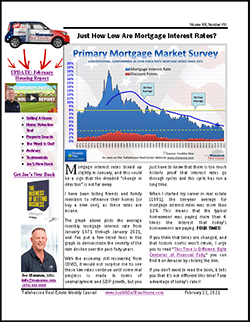
Other buyers, sellers, lenders, and real estate agents have this critical information, and now you can too!
Get immediate access to our most recent newsletter.
Let more than 30 years of experience work for you with charts, graphs, and analysis of the Tallahassee housing market.
Each Monday morning we send out a simple, one-page report that provides a snapshot of the Tallahassee housing market. It only takes 2 minutes to read, but it gives you better market intelligence than most real estate agents possess. Just tell us where to send it below!
The Surprising Buyer Resilience
Here’s a real head-scratcher: mortgage rates are up, but home sales are climbing. How’s this possible? Well, there’s a hidden factor keeping the market going, creating a situation where some buyers are thriving while others are left in the dust.
Let’s break it down. Despite higher mortgage rates, pending home sales are up 4.5% from last year – the biggest jump in three years. A few things are driving this unexpected trend.
Historical Mortgage Interest Rates
First, today’s rates are about 16% below the fifty-year average.

It’s just recency bias making us think they’re high. People are adjusting, and many buyers realize that waiting for the “perfect” time might mean waiting forever. They’re looking at the bigger picture and deciding homeownership is worth it long-term.
Builders are getting creative, too, offering deals to move inventory. They’re buying down mortgage rates and covering closing costs, making new homes more attractive even with higher rates. Cash buyers also play a more significant role, are unaffected by mortgage rates, and keep the market active.
But not everyone has hundreds of thousands in cash lying around. This is where we’re seeing a growing divide in the housing market, causing some real problems. Homeowners have been riding the wave of rising home values, boosting their overall wealth. Renters haven’t benefited from this, stuck paying rising rents without building equity. Many renters don’t realize that rising homeownership costs must translate to future rent increases.
This divide is creating real economic inequality. Homeowners are building wealth and financial security, while renters struggle to save for a down payment. The dream of homeownership is slipping away for many young people, posing a long-term problem for our economy.
So what does this mean for you? If you can buy, now might not be a wrong time, despite the rates. There are deals to be had and less competition from buyers scared off by rates. If you’re struggling to enter the market, know you’re not alone. This growing divide is a serious issue that needs addressing on a larger scale.
Remember, in real estate, it’s not about timing the market; it’s about time in the market. History shows that housing, like everything else, is subject to inflation. Make the right move for your situation. Whether buying, selling, or waiting, look at the whole picture. Understanding this crazy market is critical to making intelligent decisions.



Fannie Mae Report: It's The TRUTH About The Housing Market

Real Estate Meltdown: Starter Homes at $1M in 233 Cities

Is the Housing Market Crashing? | Redfin April 2025 Update

Is This The CALM Before The CRASH? Volatility Rocks Housing

Warning Signs For Home Buyers And Sellers
The Widening Housing Gap
You might think you know who’s winning and losing in today’s housing market, but the reality might surprise you. A growing divide between two groups of young people is reshaping homeownership. What’s causing this split, and could it predict the future of real estate?
Let’s break it down. We’ve got a situation where home sales are up, but new construction is down. This is pushing home prices up, and fast. If you already own a home, you’re probably feeling pretty good right now. Your investment is growing, and you’re building wealth without even trying.
But if you’re trying to buy? It’s a whole different story. It’s rough out there, and it’s getting rougher.

There are about 20% fewer homes on the market today compared to five years ago, and well below the historical average. A big reason for this is that homebuilders have slowed production since the housing bubble and haven’t caught up to the normal pace. As long as this trend continues, you can bet the home affordability crisis will worsen.
Now, here’s where it gets really interesting.

Young homeowners are feeling pretty good, with 69% saying they’re better off financially than four years ago. But young renters? Only 52% feel that way. That’s a big gap, and it’s growing. Homeowners have built up a ton of home equity during the pandemic, like a forced savings account. On the other hand, renters are struggling with rent growth and rising living costs, making it harder to save for a down payment.
This isn’t just about feeling good or bad about your finances. It’s about building wealth. Homeowners are seeing their net worth grow year after year, while renters are getting left behind. And this gap is likely to keep growing, making it harder for renters to catch up.
So what’s driving this trend? It’s a perfect storm of low inventory, moderate demand, and the lingering effects of those pandemic-era low interest rates. People who bought or refinanced when rates were super low are staying put, which means fewer homes on the market. And with builders struggling to keep up with demand, there just aren’t enough homes to go around.
But before you rush out to buy a home, thinking it’s your only chance to build wealth, there’s something else you need to know about what’s happening in the market right now. It’s not just about home prices and interest rates. There’s another factor at play that could change everything. And that’s what we’re going to talk about next.




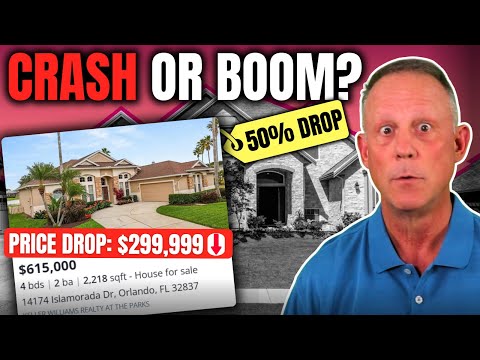
Housing Crash or Boom? Here’s What’s Coming in 2025
BIGGEST Housing Market Myth EXPOSED by New Foreclosure Data
The Election Wild Card Is Over
Let’s talk about the elephant in the room – or maybe I should say the donkey and the elephant. The presidential election just wrapped up, and it was throwing a major wrench in the works of the housing market. It’s clear that housing affordability was a big deal for voters, and people have different expectations about what would happen to mortgage rates based on who wins.
Redfin’s report shows some interesting differences in what people thought would happen to mortgage rates depending on the election outcome. This uncertainty caused some natural hesitation. I heard from real estate agents nationwide that some buyers and sellers were putting their plans on hold until after the election. They’re worried about what might happen to the economy and interest rates.
But here’s what I think, and I want you to really pay attention to this: the housing market isn’t going to magically change just because of who won the election.

The fundamental issues we’re facing—like a lack of inventory and affordability concerns—aren’t going to disappear overnight. We need more homes being built, and for many reasons, it can’t happen soon enough.
So what does this mean for you if you’re considering buying or selling a home right now? Well, it depends on your situation. If you’re a buyer, this uncertainty period might work in your favor. Some sellers might be more willing to negotiate if they’re worried about future market conditions.
But remember, real estate is local. What’s happening nationally doesn’t always reflect what’s happening in your specific market. That’s why working with a local real estate expert who knows your area is crucial. They can explain the supply and demand dynamic for homes in your price range in your local market, helping you understand conditions much better than most real estate reports provide.
At the end of the day, the decision to buy or sell should be based on your personal circumstances, not just on what’s happening in the broader market or in Washington. If you find a home you love and can afford, or if you need to sell for personal reasons, don’t let all the noise hold you back.
The housing market has weathered plenty of elections before, and I predict it’ll weather this one, too. Stay informed, work with a trusted professional, and make the right decision for you. That’s how you’ll come out ahead, no matter who’s in the White House.

The Best Time To Lower The Price In A Home Sale
Want to Sell Your Home Quickly and Profitably? Watch This Now
Time-Lapse Tree Removal!

What Does A Realtor Earn?
How To Sell Your House When You Are In A Hurry

Do's And Don'ts During The Home Loan Process

7 Tips On Buying A Home With A Pool
How much house can you actually afford (By Income)?

What Sellers Need To Know About Robo-Offers In Real Estate
Today’s Housing Market
Alright, let’s wrap up Redfin’s findings. The housing market right now is a mix of challenges and opportunities. New construction’s down, prices are climbing, and we’ve just moved past the election uncertainty. But don’t let this scare you off. If you’ve found a house you love that fits your budget, it could be a wise time to buy.
Home prices tend to go up over time, even if it’s not always smooth sailing.

Right now, mortgage rates have come down from their recent peak, and in some areas, you might have room to negotiate with sellers.
Instead of trying to perfectly time the market, focus on your own situation. What makes sense for you and your family? That’s what really matters. Don’t let market noise drown out your personal goals. If you’re ready to buy and you’ve found the right place, go for it.
Remember, buying a house today could mean building significant equity over the next decade, even if prices fluctuate along the way. Just make sure you’re making an informed decision based on your specific circumstances and long-term plans.