
Nobody Wants to Buy Your Home, But They’ll Compete for Your House
 Let’s talk about why most buyers aren’t just looking for a place—they’re searching for a house that feels like a fresh start. The phrase “Nobody wants to buy your home, but they’ll compete for your house” sums up the challenge. Buyers aren’t interested in your personal story. They want to imagine their future somewhere, so package a product, not your past—so their future fits instantly.
This is where many sellers get tripped up. It’s completely normal to feel attached to your home. Years of memories, milestones, and personal touches make it feel uniquely yours. And all of those touches make your home warmer and beautiful for you. But since you’re not going to buy it, it must be packaged differently.
Sellers often leave up family photos, display personal collections, or hold onto bold decor choices that reflect their tastes. While these details make your home special to you, they can make buyers feel like outsiders.
Here’s a reality check: about 34% of agent-listed homes fail to sell, and when owners sell their homes, more than half of those successful transactions happen because the seller already knew the buyer. That means most buyers need help picturing themselves in a space that’s been lived in and loved by someone else. If your home feels too personal, buyers have a harder time seeing their own lives there—and that hesitation can lead to fewer offers or a lower sale price.
The solution is to start by depersonalizing. This doesn’t mean erasing your history or discounting your memories. It means making intentional choices to help buyers see the house as a blank canvas. The first step is to remove family photos, personal memorabilia, and anything that signals a specific identity. Even artwork or decor that’s tied too closely to your tastes can distract buyers from imagining their style in the home. When you neutralize the space, you create room for buyers to project their vision onto it.
Buyers aren’t touring to learn your story—they’re trying to picture theirs. Clear the space, neutralize colors, and simplify surfaces. An open, inviting room helps them place their furniture, map their routines, and see their life fitting in. That’s why depersonalizing works: it frees their imagination, builds an emotional pull, and moves them closer to making an offer.
Depersonalizing also helps you approach the sale with a more objective mindset. When you see your house as a product on the market, you’re less likely to overprice it due to sentimental value or resist necessary changes that will increase its appeal. This shift in perspective is the foundation for everything that comes next in the selling process.
Once you’ve cleared out personal distractions and created a neutral environment, you’ve set the stage for the next step: strategic staging. That depersonalized canvas sets us up for cleaning, decluttering, and placing furniture in ways that highlight your home’s strengths and invite buyers to fall in love.
YOU CAN SELL A HOUSE ON YOUR OWN!
 One thing you need to understand right up front is that the only differences between you and a real estate professional or another “For Sale By Owner” are knowledge and experience. Experience is tough to gain but knowledge is available right here.
Transform Your House Into a Buyer’s Dream
 Transforming your house into a buyer’s dream is all about making it easy for someone else to picture their life unfolding there. Staging is more than just a finishing touch—it’s a foundational step that can determine whether your property stands out or gets lost in a crowded market. My 34 years of experience selling homes is that when they fail to sell, the major culprit is skipping the basics: cleaning, decluttering, staging, and strategic pricing. When buyers walk into a space that feels open, neutral, and well cared for, they’re more likely to make a strong emotional connection.
Let’s keep this practical. Start with decluttering—remove anything that doesn’t serve a clear purpose in the room. Shoes by the door, piles of mail, and collections on the mantle all send a message of chaos, not calm. The goal is to make each room feel as spacious as possible, so put away personal items and store anything you don’t use regularly off-site if you can. Buyers will check closets, garages, and storage areas, so don’t just move clutter from one spot to another.
Once you’ve cleared the excess, focus on neutralizing the space. A fresh coat of paint in a soft, neutral color—think light gray, white, or beige—goes a long way in making rooms feel brighter and more inviting. Neutral colors appeal to a wider range of buyers and help them visualize their own style in the home. It’s a simple update that can have an outsized impact on first impressions.
Next, consider how you arrange your furniture. The way pieces are positioned can highlight the size and flow of a room. Avoid pushing everything against the walls; instead, create clear pathways and conversational groupings that make the space feel functional and open. The point isn’t to fill every corner, but to show buyers how the rooms can be used without feeling cramped.
A common mistake is thinking these steps are optional, but skipping them can leave buyers feeling overwhelmed or uninterested. In fact, homes that aren’t properly staged often sit on the market, while those that are decluttered and neutrally painted can attract multiple offers and even sell above asking within days. It’s not just about looks—it’s about creating a space where buyers feel welcome and ready to act.
Now, let’s talk about how your house appears online. Most buyers start their search on the internet, scrolling quickly through listings. Professional photography is worth the investment here: research shows it can generate up to 100% more online views. If you’re taking photos yourself, make sure they’re bright, horizontal, and cover every key area—aim for 36 high-quality shots that showcase your home’s best features. Great photos are what get buyers through the door, and once they’re inside, your staging does the rest.
Digital marketing goes hand-in-hand with staging. Pre-marketing strategies—like “coming soon” campaigns and targeted social media posts—build anticipation and can create a sense of competition before your home even hits the market. Some sellers use single-property websites to highlight their listing and reach buyers directly. These tactics aren’t just for agents; owners who take a proactive approach can see real results.
When you invest the time and effort to present your house as a blank slate, buyers respond. They’re more likely to see your property as move-in ready, which can lead to more showings, stronger offers, and a quicker sale. With your home now positioned to attract attention and spark interest, you’re ready for the next step: using the right pricing and strategy to turn that interest into real competition.
Keep Up With New Trends In Tallahassee!
Get The Tallahassee Real Estate Newsletter
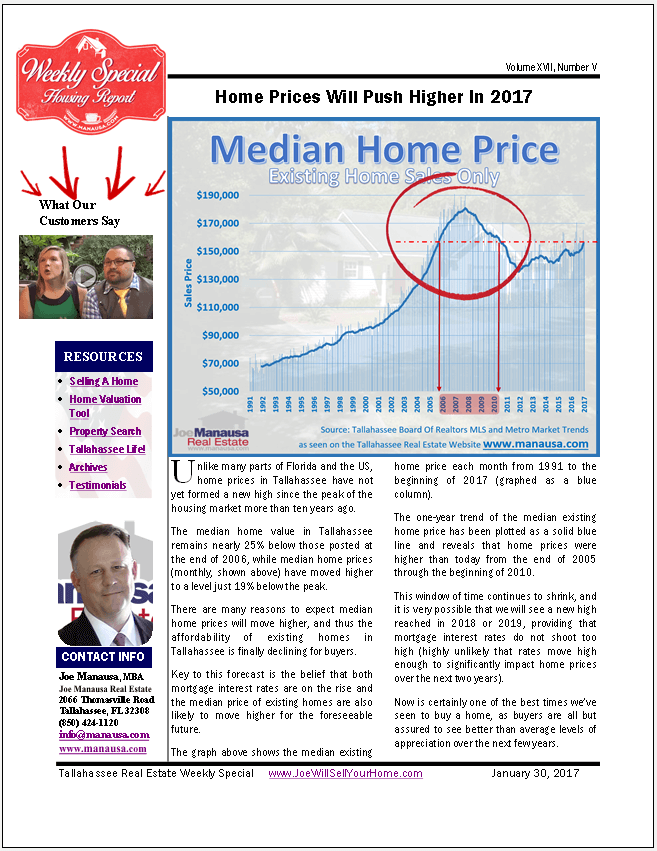 Don't be the one that doesn't know what's going on when you sell a home or buy a home in Tallahassee.
Other buyers, sellers, lenders, and real estate agents have this critical information, and now you can too!
Get immediate access to our most recent newsletter.
Let more than 30 years of experience work for you with charts, graphs, and analysis of the Tallahassee housing market.
Winning Strategies to Maximize Your Home Sale
 Winning strategies to maximize your sale start with one critical decision: how you price your home. Strategic pricing isn’t just about picking a number that sounds good—it’s a calculated move that can set the tone for your entire sale. When you hit the right price point, you create a sense of urgency among buyers, encouraging them to act fast and make strong offers. This is powerful in all market conditions, whether inventory is high or low.
A common pitfall is overpricing, often driven by emotional attachment or a misunderstanding of market realities. Many sellers also turn to automated valuation tools like Zillow Zestimate for guidance, but these can be misleading. For example, even Zillow’s own CEO sold his home for 40% less than its Zestimate, showing just how unreliable these algorithms can be for unique properties or shifting markets. Relying on these numbers can cause you to miss the mark entirely—either scaring off serious buyers with a price that’s too high or leaving money on the table with a price that’s too low. The most effective approach is to work with a skilled real estate marketer who understands your local market and can help you set a price that attracts attention and drives competition.
Let’s look at how this plays out in practice. A seller, with expert advice, listed their staged home just below the expected market value. At first, it seemed risky, but the result was a flood of interest and multiple offers. The property sold above the asking price, not because it was undervalued, but because strategic pricing created a sense of FOMO—fear of missing out—among buyers. This tactic transforms your home from just another listing into a must-have property.
Once you have buyers competing, negotiation becomes the focus. It’s not just about the top-line number. Savvy sellers look at the full package: the buyer’s financial strength, closing flexibility, and contingencies. Sometimes, a slightly lower offer with no financing contingencies or a faster closing date is the smarter choice. Another way to increase your pool of qualified buyers—and potentially command a higher net—is by offering to pay some or all of the buyer’s closing costs. This can make your property more attractive to buyers who are struggling to afford your home, often resulting in stronger offers and a better overall outcome for you.
Marketing is just as important for driving competition. Progressive marketing strategies—like targeted Facebook ad cycles and social media campaigns—can herd motivated buyers to your listing the day it goes live, setting the stage for a bidding war. Pre-marketing with professional photos, “coming soon” ads, and social media marketing helps you build momentum before your home officially hits the market. The goal is to have multiple buyers ready to act the moment your listing goes live.
Throughout the process, staying flexible and responsive is key. Accommodating showings—even on short notice—and answering buyer questions quickly keeps interest high and the momentum going. A buyer who feels ignored or frustrated can lose enthusiasm, so every interaction matters. Make sure your listing agent is a great communicator.
By combining smart pricing, aggressive marketing, and thoughtful negotiation, you put yourself in the best position to maximize your profit. This approach isn’t just about getting your home sold—it’s about turning your property into a strategic financial asset.
With these strategies in place, you’re not just hoping for a good outcome; you’re setting yourself up for success.
How To Sell Your House On Your Own
10 PROVEN Strategies To Increase A Home's Selling Profit
2025s HOTTEST Home Selling Strategies You Need NOW
The 3-DAY Method To Sell Your Home For More (2025)
The Best Time To Lower The Price In A Home Sale
How FOMO Makes Your Home Sale More Profitable

Home Sale Sabotage: Top 10 Mistakes Sellers Make
Video Answers To Your Questions

Video Housing Market Reports
Your Local Expert In Tallahassee
When moving to, in, or from Tallahassee, you will fare better if you work with a local expert. We are here to help. If you have further questions on the Tallahassee real estate market, you can leave a comment below, give us a call at (850) 366-8917, or drop us a note and we'll give you the local information needed to ensure a successful, smooth transaction.
As a local born and raised in Tallahassee with a focus on customer service, I promise you'll find great success when working with Joe Manausa Real Estate, just as have our past customers. You can read thousands of their reviews reported on Google, Facebook and Zillow right here: Real Estate Agent Reviews Tallahassee.
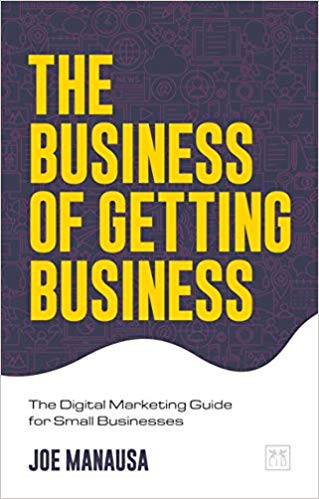 Have you heard about my new book "The Business of Getting Business?" It's a comprehensive guide for small businesses to help them make the move to digital. For those of us who want to survive and thrive in a world where large corporations are taking over, it is a must-read. It's also the perfect guide for how to sell a home in the digital age. You can find The Business Of Getting Business by clicking on any of the trusted retailers below.
 |
 |
|||
 |
 |
|||

Think all REALTORS are alike?
Read what people are saying about working with Joe Manausa Real Estate! You can see thousands of real customer reviews reported on Google, Facebook and Zillow at this link: CLICK HERE FOR REAL ESTATE AGENT REVIEWS.