According to Kevin Erdmann, a senior affiliated scholar at the Mercatus Center at George Mason University, that’s how many additional homes we need to build to meet current demand. Erdmann tells the story of decades of underinvestment and policy missteps.
But how did we end up needing nearly 20 million homes? The answer lies in a 70-year journey that’s reshaped the American Dream. I’m going to walk you through it now so that you understand why your dream home feels so out of reach. I’ll also share some ideas on what you can do about it.
The Post-War Housing Boom: Seeds of Today’s Crisis
The roots of our current housing crisis were planted right after World War II?
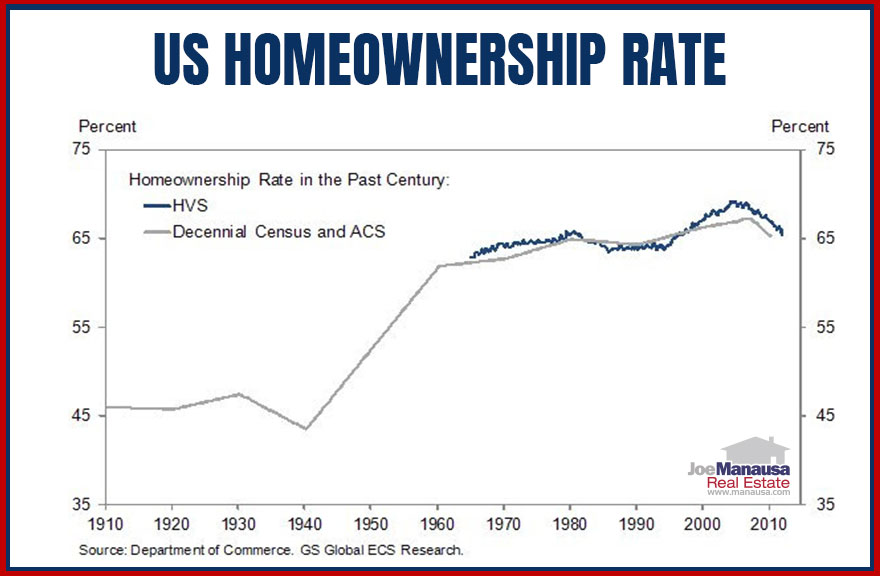
From the 1940s to the 1970s, homeownership rates skyrocketed from 45% to over 60%. The government and financial markets intervened, making it easier for people to get mortgages and buy homes.
This boom wasn’t just good for homeowners. It led to lower housing costs overall. Imagine that—more people owning homes and paying less for them. It’s a far cry from today’s market, right? But here’s the thing: this post-war boom set expectations for housing that we still struggle with today. Below, I show you why those expectations are causing severe problems.
Keep Up With New Trends In Tallahassee!
Get The Tallahassee Real Estate Newsletter
Don't be the one that doesn't know what's going on when you sell a home or buy a home in Tallahassee.
Other buyers, sellers, lenders, and real estate agents have this critical information, and now you can too!
Get immediate access to our most recent newsletter.
Let more than 30 years of experience work for you with charts, graphs, and analysis of the Tallahassee housing market.
The Great Decline: From the 1980s to 2008
Remember when buying a home seemed within reach for most Americans? That dream started fading faster than you might think. Here’s why the 1980s marked a turning point – and not in a good way.
The 1980s ushered in a new era for the U.S. housing market, and it wasn’t pretty. Home construction began to decline significantly, leading to a permanent drop in housing investment. This wasn’t just a temporary dip – we’re talking about a lack of building cycles and a baseline of homebuilding that hasn’t recovered since.
By the time the Great Recession hit, real housing consumption was about 15% below broader real consumption growth.
Meanwhile, rent inflation was approximately 30% above it. That’s a huge disconnect between housing supply and demand, and it didn’t happen overnight.
So, what caused this shift? Well, it’s not just one thing – it’s a perfect storm of factors brewing for decades.
First up, we’ve got zoning laws and regulatory barriers. These might sound like boring bureaucratic details, but they’ve had a massive impact on our housing market. These regulations have increased land rents and housing prices, making it much harder for developers to build new homes. We’re talking about substantial costs and delays.
But it’s not just about red tape. Political opposition to new housing developments also grew during this period, further stifling construction rates. You’ve probably heard of the NIMBY movement – “Not In My Back Yard.” This opposition often stemmed from local residents fearing changes to their neighborhoods. While their concerns might be understandable, the cumulative effect has devastated the housing supply.
The Financial Side Of The Issue
The 1980s marked a turning point for homeownership rates.
We saw a decline in new housing construction as financial barriers to obtaining mortgages began to rise, impacting affordability. This shift laid the groundwork for the housing crisis that would come to a head in 2008.
But here’s the kicker – these factors didn’t just pop up overnight. The cumulative shortfall in residential investment began accumulating significantly in the 1980s. It’s like a snowball rolling down a hill, getting bigger and bigger over time. That snowball had turned into an avalanche by the time we hit the 2008 crisis.
So, what does all this mean for you? Well, if you’re wondering why it seems so much more complicated to buy a home now than it did for your parents or grandparents, this is why. We’re dealing with decades of underinvestment in housing, regulations that make it more complex and more expensive to build, and a financial system that’s become more restrictive.
But don’t lose hope just yet. Understanding these issues is the first step toward addressing them. Next, we’ll investigate how the 2008 crisis exacerbated these problems and why your rent keeps increasing (it’s not what you’ve been told!).
The hidden truth about rising foreclosure rates, what the mainstream media isn’t telling you, and what this means for the housing market.
The Modern Housing Crunch: 2008 to Present
You might think the housing market bounced back after 2008, but here’s the shocking truth: that crisis was just the beginning. Ever wonder why your rent keeps climbing? The answer lies in a hidden force that’s been reshaping the market for over a decade.
Let’s talk about your rent for a second. In 2023, the average monthly rent in the U.S. was $2,107. But here’s the kicker—only about $1,285 goes towards real housing costs. The rest? That’s accumulated inflation; tenants are just paying extra for air.
This isn’t just a minor inconvenience. We’re talking about a massive shortfall in housing supply. To bring rents back to historical norms, Erdmann explains that we would need a 32% increase in residential investment. That’s not a small bump – it’s a complete overhaul of our current building practices.
Now, you might be wondering, “How did we end up here?” Well, it’s a perfect storm that’s been brewing since 2008. After the housing crisis, we saw a significant rollback in mortgage access. Banks tightened their lending standards, making it harder for people to buy homes. This drove up demand for rentals, pushing rents higher and higher.
Subscribe to Joe's Blog
Join 1000's of other subscribers that receive updates each day that we publish a new article. Filled with homes for sale, neighborhood analyses, and all the information home sellers and buyers need to make an informed decision. Just tell us who you are and where you'd like us to send new updates.
But it’s not just about mortgages. We’ve been underbuilding for years. Since 2008, EXCESS rent inflation has piled up to about 16%. Meanwhile, real housing consumption has dropped by 18% compared to other types of consumption. In other words, we’re spending less on actual housing but paying more in rent. It doesn’t take an economist to see that something’s off here.
Here’s where things get really interesting. This rent inflation isn’t just affecting your wallet—it’s influencing national economic policy. The shelter component of inflation has been consistently outpacing other categories, which has led to some serious complications for the Federal Reserve.
Rent makes up about one-third of the Consumer Price Index. When the Fed looks at inflation, it sees these high rent numbers and thinks, “We need to tighten monetary policy.” But here’s the catch—this inflation isn’t driven by increased demand or a booming economy. It’s driven by a lack of supply. We’re not building enough homes, and it’s throwing off our entire economic picture.
This misalignment in policy responses is a big deal. The Fed’s been tightening in response to rising rent inflation, but that won’t solve the underlying problem.
We don’t need less demand for housing – we need more supply!
So, how bad is this supply shortage? Brace yourself for this number: expert Kevin Erdmann estimates that we need approximately 17.3 million additional homes to meet current demand. That’s not a typo – 17.3 million homes. And we’re talking about all housing types here, from single-family homes to apartment buildings.
The Path Forward: Solving the Housing Crisis
17.3 million homes—that’s a considerable number. But here’s an even bigger question: How do we build our way out of this crisis without turning every suburb into a concrete jungle? The answer lies in a perfect storm of policy changes, innovative construction methods, and good old American ingenuity.
The Solution Is Supply, Not Demand
Let’s start with a solution gaining traction: single-family build-to-rent projects. This approach allows for constructing rental homes that meet growing demand without the barriers associated with traditional homeownership. It’s like having your cake and eating it, too – you get the space and privacy of a single-family home without the hefty down payment or long-term commitment.
Say “YES” – YIMBY
But that’s just the tip of the iceberg. Infill multi-family development is another promising avenue, especially with the growing ‘Yes In My Backyard’ (YIMBY) movement. One good example of this is converting abandoned retail centers and malls into multi-family housing units.
The YIMBYs are advocating for more housing construction in urban areas, pushing back against the NIMBY mentality that’s held us back for decades. This political momentum could gradually increase the supply of multi-family units, giving more people affordable options in desirable locations.
Homeownership – Learn From The Past
Now, let’s talk about getting more people into homes they own. Improving underwriting standards at federal agencies could be a game-changer. This would make it easier for more individuals to access mortgage financing, potentially turning long-term renters into homeowners.
It’s not about lowering standards but making them reflect today’s economic realities more. Bring back the lending standards from the 1950s, 60s, and 70s to restore the American Dream of home ownership.
But here’s the real kicker: policy changes are critical. We need to reform zoning laws and reduce regulatory barriers to construction. These changes would help lower land rents and housing prices over time, addressing the systemic issues in the housing market. It’s not sexy, but it’s effective.
In this video, we dive into Redfin’s April 2025 housing market update to uncover the latest trends in home prices, inventory, mortgage rates, and buyer...
I've analyzed the latest Zillow housing market report to show you the critical shifts happening in real estate markets nationwide
Why Focus On Supply?
Most people pondering a solution to the home affordability crisis think we should just subsidize housing or control rents. Historical patterns show that when supply is constrained, prices and rents increase significantly, leading to affordability crises. We can’t solve this problem by throwing money at the demand side. We need to open the floodgates of supply.
For perspective, we need approximately 20 million additional housing units to reverse decades of rent inflation and stabilize the housing market. That’s a lot of homes, but it’s not impossible. We’ve done it before during the post-war boom and can do it again.
And for those who think kicking Wall Street out of housing is some kind of cure, consider this: If the Federal and State governments team up to ensure we produce 20 million new homes, rents will come down as the added supply will bring competition to landlords. The returns for landlords will decline dramatically, and Wall Street will return to ignoring the housing market like before the Great Recession. We do not need to legislate Wall Street out of housing. We need to use capitalism to chase them away.
Erdmann reports some good news. The political climate is shifting. Some policymakers finally recognize the importance of increasing supply to combat rising rents and housing shortages. There’s talk of reducing red tape and supporting new housing initiatives. It’s not a silver bullet, but it’s a start.
And here’s another positive sign: the construction market is experiencing a backlog of projects due to pent-up demand. This indicates that builders are ready to increase supply if conditions allow. They’re chomping at the bit to build more homes – we just need to clear the path for them.
So, what can you do about all this? More than you might think. Start by getting involved in your local community. Attend city council meetings, especially when discussing zoning changes or new housing developments. Support politicians who understand the importance of increasing the housing supply. And if you hear someone complaining about a new apartment complex going up in your neighborhood, take a moment to explain why it’s necessary.
Remember, the housing crisis isn’t just a problem for renters or first-time homebuyers. It affects all of us. When people spend too much on housing, they have less to spend on other goods and services, which impacts the entire economy. By advocating for intelligent, supply-focused housing policies, you’re not just helping yourself – you’re contributing to the economic health of your whole community.
In the aftermath of the landmark Burnett v. NAR case, the verdict has sparked a national conversation and a series of legal challenges that question...
Robo offers in real estate are transforming the traditional home selling process, bringing both opportunities and challenges for sellers.
Your Role In The Future of American Housing
We’ve taken a journey through 70 years of American housing history. What’s the takeaway? Our current crisis didn’t happen overnight. It’s the result of decades of policy decisions and market shifts. But here’s the good news: understanding this history gives us the power to make better choices for the future.
So, what can you do about it? Perhaps more than you’d expect. Stay informed about local housing policies. Attend city council meetings. Support politicians who understand the importance of increasing housing supply. Remember, every voice counts.
As Erdmann points out, we need about 17.3 million additional homes to meet current demand. That’s a big number, but it’s not impossible. We’ve done it before, and we can do it again.
Policymakers and developers aren’t just writing the next chapter in American housing – informed citizens like you are shaping it. What role will you play in ensuring everyone has a place to call home?
There are a lot of people who endorse Joe for the job of selling your home, including Preston Scott (host of Tallahassee's top daily "Audio Magazine," as well as the thousands of happy customers Joe has helped in the past. Listen why!
Summary This Tallahassee real estate graph report reveals a widening divide between the homes Leon County buyers purchase and the new homes the market is
Summary The Greater Tallahassee housing market midyear update shows an active market that is slower than the peak years, more payment-sensitive than many sellers realize,

 Don't be the one that doesn't know what's going on when you sell a home or buy a home in Tallahassee.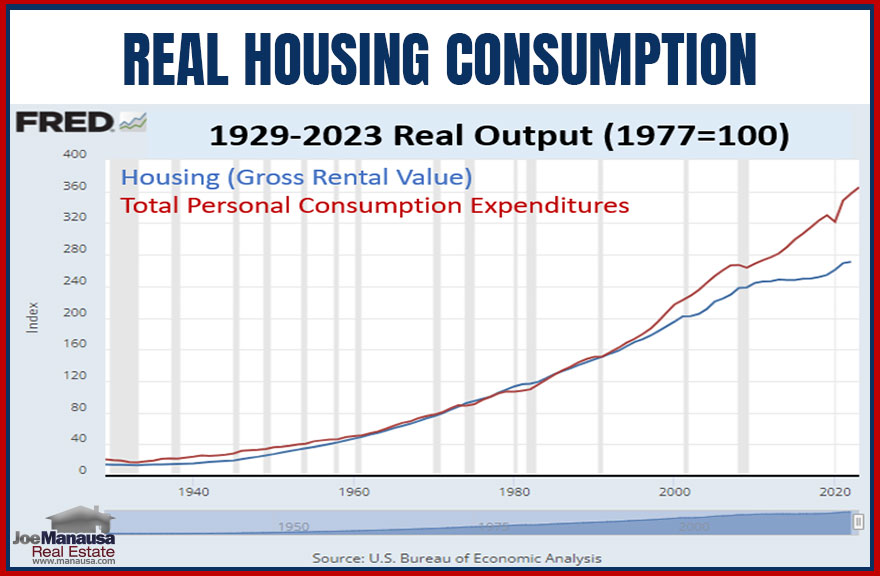
 Meanwhile, rent inflation was approximately 30% above it. That’s a huge disconnect between housing supply and demand, and it didn’t happen overnight.
 We saw a decline in new housing construction as financial barriers to obtaining mortgages began to rise, impacting affordability. This shift laid the groundwork for the housing crisis that would come to a head in 2008.