
The Lock-In Effect’s Surprising Shift
The lock-in effect has been a significant force in the housing market for years, keeping homeowners tethered to their properties due to favorable mortgage rates. But recent data from Redfin suggests we’re witnessing a surprising shift in this long-standing trend. The percentage of homeowners with mortgage rates of 6% or higher has climbed to 17.2%, the highest level since 2016. This change is reshaping the dynamics of the housing market in ways we couldn’t have predicted just a few years ago.
These changes are underscored by recent Redfin data that paints a vivid picture of a shifting market.
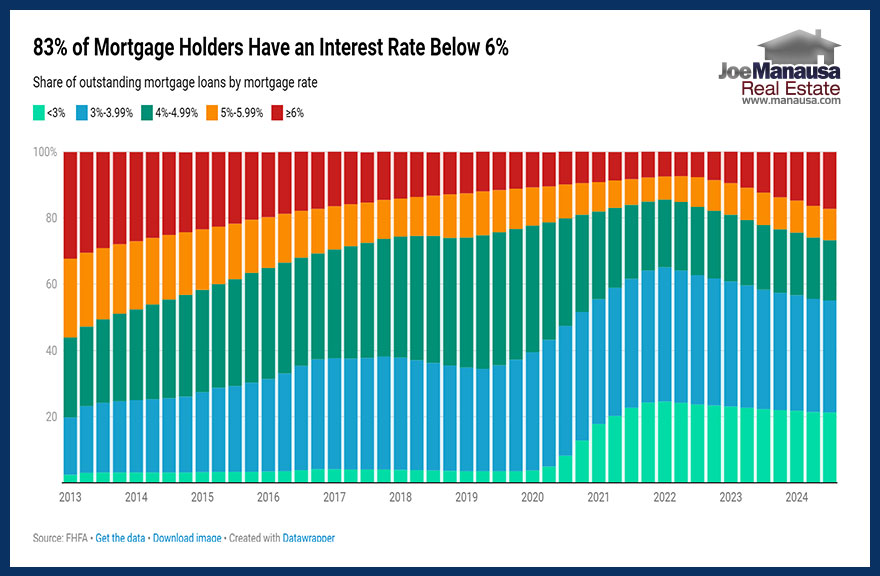
Here’s a quick recap of the current mortgage rate landscape:
- 82.8% of homeowners have rates below 6%
- 73.3% have rates below 5%
- 61.8% have rates below 4%
Historically, the lock-in effect acted as a brake on housing market activity. Homeowners with low mortgage rates were reluctant to sell and take on new, higher-rate loans. This resulted in reduced inventory and limited options for potential buyers. But now, we’re seeing signs that this effect is starting to loosen its grip on the market.
What’s driving this unexpected change? Several factors are at play. Rising mortgage rates have made it impossible for many homeowners to maintain their ultra-low rates when moving. As a result, more people are coming to terms with the reality that higher rates are here to stay, at least for the foreseeable future.
Changing homeowner behavior is also contributing to this shift. Life events like job changes, growing families, or divorces are prompting many to move despite their initial reluctance to give up those coveted low rates. There’s a growing recognition that staying put indefinitely isn’t always a realistic or desirable option.
This evolving landscape presents a paradox: homes are taking longer to sell, yet prices aren’t declining as much as we’d expect. The average time on market for homes has increased to 50 days, up from 33 days a year ago. Typically, slower sales would lead to lower prices, but that’s not happening in the current market.
So why aren’t we seeing more significant price drops? It’s a complex issue that involves supply and demand dynamics, changing buyer preferences, and the overall economic environment. The interplay between these factors is creating a unique situation where homes are selling more slowly, but prices remain relatively stable.
As we move forward, it’s crucial to keep a close eye on these trends and how they’re impacting local markets across the country. The housing market continues to evolve, and understanding these shifts will be key for both buyers and sellers navigating this new landscape.
Keep Up With New Trends In Tallahassee!
Get The Tallahassee Real Estate Newsletter
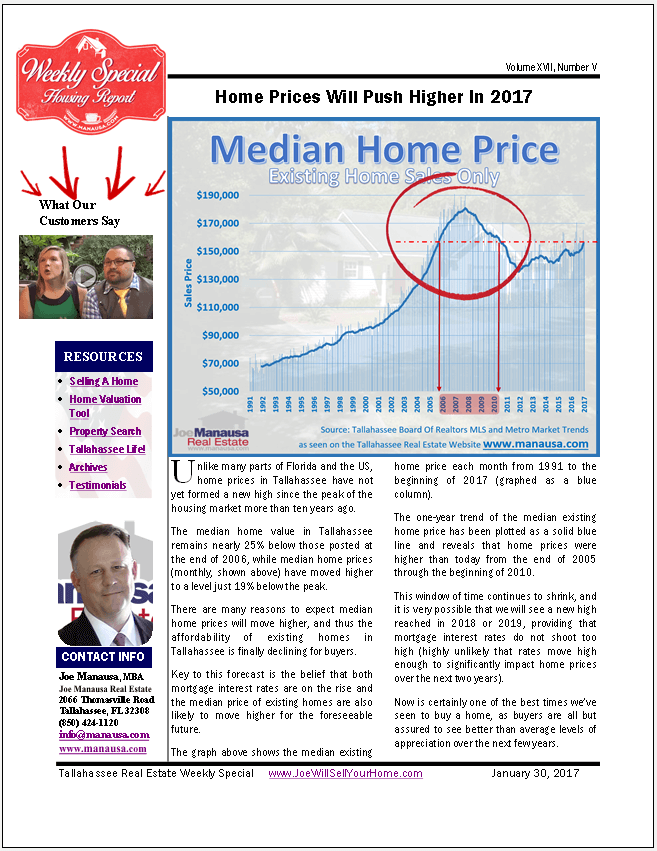 Don't be the one that doesn't know what's going on when you sell a home or buy a home in Tallahassee.
Other buyers, sellers, lenders, and real estate agents have this critical information, and now you can too!
Get immediate access to our most recent newsletter.
Let more than 30 years of experience work for you with charts, graphs, and analysis of the Tallahassee housing market.
Home Prices Defy Gravity Across All Major Metros
Contrary to expectations, home prices are climbing across all major metros, even in a cooling market. For the first time since May 2022, we’re seeing price increases in all 50 of the most populous U.S. metropolitan areas. This trend is reshaping the real estate landscape, and it’s crucial to understand what’s driving it.
The Midwest is leading this unexpected surge. Cleveland, long known for its affordability, saw a 15% year-over-year price increase. Milwaukee and Philadelphia followed closely with jumps of 14.5% and 14%. These traditionally affordable markets are now experiencing some of the most significant price growth in the nation.
Redfin Senior Economist Elijah de la Campa noted, “Places that have long been known as affordable places to live, like Cleveland and Milwaukee, are now seeing double-digit price increases—and that’s after home prices skyrocketed during the pandemic.” This shift is putting increasing pressure on buyers who thought these markets would be within reach.
Regional historical trends play a significant role in these divergent outcomes. While the Midwest surges, Florida markets are seeing much smaller increases. Tampa experienced just a 0.5% rise in home prices, while Orlando and Jacksonville saw increases of only 1.3% each. This contrast stems from the enormous price growth Florida saw during the pandemic as remote workers flocked to the Sunshine State.
Several factors are driving these trends. A significant shortage of homes for sale keeps increasing pressure on prices, even as sales slow down, as evidenced by the historically high rate of homes selling above list price.

As remote work becomes more common, buyers priced out of expensive coastal cities are looking for affordable alternatives. Many sellers are unwilling to lower their asking prices, often holding out for offers that exceed previous sales in their neighborhoods.
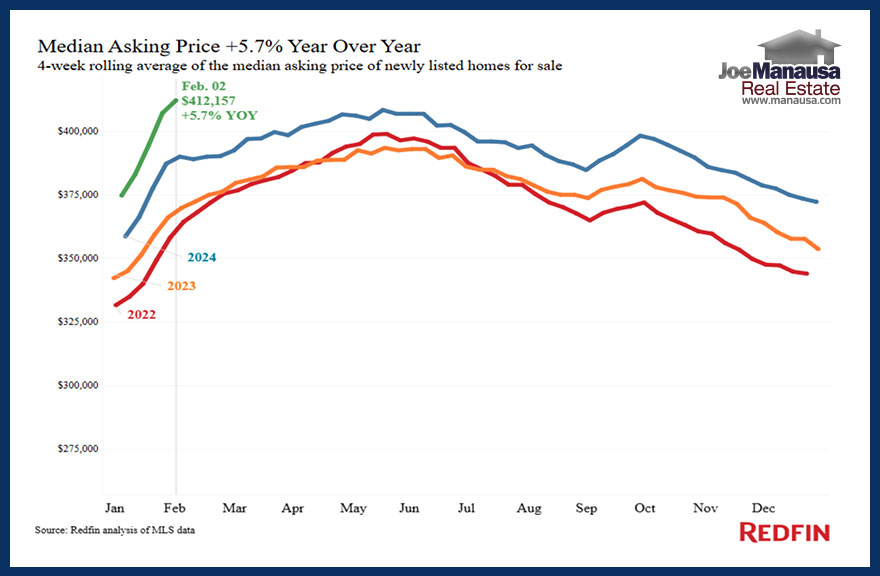
The national picture reflects these varied trends. Across the U.S., Redfin reports that the median home sale price increased by 6.3% year over year, reaching $427,670. This broad trend of rising prices across major metros is reshaping affordability nationwide.
These price trends have far-reaching implications. It’s changing the calculus for investors and developers, with previously overlooked areas becoming hot markets. This could lead to shifts in where new housing is built and how existing properties are renovated and marketed.
As affordability challenges increase, we’re seeing a shift in buyer behavior. More people are choosing to rent rather than buy, especially in markets that were once considered affordable havens. This situation is putting pressure on potential homeowners and reshaping the dynamics of the housing market across the country.
The impact of these trends extends beyond individual buyers and sellers. It’s affecting the overall economic landscape of cities and regions. Areas experiencing rapid price growth may see changes in their demographic makeup, as some long-time residents are priced out while new, higher-income residents move in. This could lead to shifts in local businesses, schools, and community services.
Moreover, the persistence of rising prices, even in a cooling market, is challenging traditional economic models. It’s forcing economists and policymakers to reassess their understanding of housing market dynamics and consider new approaches to addressing affordability issues.







Housing Crash or Boom? Here’s What’s Coming in 2025

BIGGEST Housing Market Myth EXPOSED by New Foreclosure Data
The Slowdown Paradox: Why Homes Are Taking Longer to Sell
In a market where prices climb, homes are paradoxically lingering on the market longer than ever. The average home now sits for 52 days before selling – the longest span in two years. This extended timeframe reflects a broader trend of slower sales, even as home prices continue their upward trajectory.
What’s causing this paradox? It’s like a traffic jam in the housing market. Mo re options allow buyers to deliberate instead of making quick moves. There are currently 5.2 months of supply – the highest level since February 2019. This abundance of choices will enable buyers to take their time when making decisions.
But it’s not just about having more options. The financial landscape is playing a crucial role. The median monthly housing payment has reached $2,753, just shy of the record high in April. This hefty price tag is making many would-be homebuyers think twice.

Adding to the complexity, we’re seeing a 9.4% year-over-year decrease in pending home sales – the biggest decline since September 2023. This drop is largely due to high housing costs and elevated mortgage rates.
Buyers are becoming more savvy and cautious. Agents report that prospective buyers are closely observing homes sitting on the market, anticipating potential drops in interest rates and prices. This wait-and-see approach is leading many to delay their purchasing decisions.
Nature is also playing a part. Extreme weather events have been keeping potential buyers at home. Snow and frigid cold in the Midwest, South, and Northeast and wildfires in Southern California actively contribute to the slowdown. Even in Tallahassee, Florida, we recently saw unprecedented snowfall that stuck around for 6 days – a rarity in my nearly 60 years living here.
In Los Angeles, ongoing wildfires have displaced residents, causing a spike in rental demand while pushing down home sales. Potential buyers in the area are understandably hesitant to make major purchases in such uncertain conditions.
What does this mean for the housing market as we move into 2025? Experts predict that some buyers may step off the sidelines as mortgage rates slightly decline and new listings increase. This could lead to a shift in mindset about entering the market.
However, this slowdown isn’t just temporary. It represents a significant shift in market dynamics with long-term implications. The extended time on market gives buyers more negotiating power, potentially leading to more balanced transactions.
For sellers, this means adjusting expectations. The days of lightning-fast sales and bidding wars may be waning in many price ranges. It’s crucial for sellers to price their homes realistically or be prepared for a longer selling process.
On the flip side, buyers feeling priced out might find some relief. The combination of more inventory and slower sales could create opportunities for those who have been patiently waiting to enter the market.





Fannie Mae Report: It's The TRUTH About The Housing Market

Real Estate Meltdown: Starter Homes at $1M in 233 Cities

Is the Housing Market Crashing? | Redfin April 2025 Update

Is This The CALM Before The CRASH? Volatility Rocks Housing