Summary
The US Housing Market is moving slowly because mortgage rates have changed what buyers can afford, even when their desire to buy has not disappeared. The latest Redfin report shows a market with more supply than the pandemic shortage years, slower sales than the low-rate boom, elevated median prices, and longer market times, which is why national trends should be compared with current Tallahassee real estate market trends before buyers or sellers make local decisions. However, the clearest explanation starts with the mortgage payment: a $400,000 loan at 6.48% creates a principal and interest payment that is 56% higher than the same loan at 2.68%. That payment shock has pushed many buyers into a different class of home, which is why pricing, affordability, and local supply matter more than national headlines.
Key Takeaways
- Mortgage rates remain the main constraint in the US Housing Market. Higher rates have reduced buying power and changed what the same monthly payment can purchase.
- The latest Redfin housing market report shows a slower, more selective market. Buyers are active, but they are not acting with the same urgency seen during the low-rate years.
- Supply has improved, but the market is not flooded. More listings give buyers more choices, but current inventory does not indicate broad national distress.
- Median prices remain high because closed sales reflect the homes buyers actually purchased. Price charts should not be used alone to measure demand.
- Sellers need sharper pricing discipline. Buyers are evaluating homes through the monthly payment, not just the asking price.
- Buyers should compare payment, inventory, days on market, and pending activity together. No single chart tells the whole story.
The Payment Wall Still Defines The US Housing Market
The first and most important issue in this report is affordability. Before looking at sales, supply, prices, or days on market, buyers and sellers need to understand how much today’s 30-year fixed mortgage rate environment has changed the monthly-payment reality.
The chart shows why the US Housing Market feels so different today. At 6.48%, a $400,000 loan produces a $2,523 principal and interest payment. At 2.68%, that same loan would have cost $1,619 per month. That is a 56% increase in the monthly payment without buying a larger, newer, or better-located home.
The buying-power side of the chart is just as important. If a buyer wants to keep the same $2,523 principal and interest payment, the home price supported at 2.68% would be roughly $623,345. At 6.48%, that same payment supports about $400,000.
But that comparison understates the real-world problem. A $623,000 home from four years ago is likely closer to an $800,000 home today, while a $400,000 home today may resemble the $300,000 home that same buyer could have considered four years ago. In practical terms, the buyer has not simply lost $223,000 of purchasing power on paper. The buyer has moved from a type of home that now costs about $800,000 to one priced at around $400,000.
Why The Same Budget Feels So Different In This Real Estate Market
That is the affordability wall. It explains why many buyers are not waiting because they dislike homes. They are waiting because the payment has changed the decision, and the same monthly budget now buys a very different property.
For sellers, this matters because buyers are comparing every listing through a monthly-payment filter. If a home is priced as if buyers still have 2020 or 2021 borrowing power, the market will usually expose that mistake quickly.
For buyers, this matters because the search can feel frustrating even when income has improved. The budget may be the same, the desire to buy may still be strong, and the available inventory may look better than it did two years ago, but the payment-supported home has changed dramatically.
The rest of this Redfin report should be read through that lens. Sales, supply, prices, pending contracts, and market time all matter, but mortgage rates explain why the market is moving so slowly.
Sales Are Stabilizing, But This Is Not A Fast Real Estate Market
Once the payment problem is clear, the sales chart becomes easier to understand. The US Housing Market is not frozen, but it is also not producing the kind of transaction volume that would normally appear when buyers feel confident, payments feel manageable, and sellers are moving freely. Today’s buyers are more cautious because payments are heavier, choices are broader, and borrowing costs remain high.
The next graph shows national home sales and the year-over-year change in sales activity, which helps separate a slow market from a collapsing one.
The chart shows that home sales have recovered from the sharpest declines of the rate-shock period, but they remain well below the stronger activity levels seen before affordability became the dominant constraint. That is the key point for buyers and sellers: the market has found some footing, but not speed.
For buyers, slower sales can create more room to compare homes, negotiate repairs, or avoid rushed decisions. However, this does not mean every seller is desperate. Well-priced homes in desirable locations can still attract attention, especially when they match the payment range buyers can actually afford.
US Housing Market: Sellers Still Need To Earn The Buyer
For sellers, the sales chart is a warning against pricing for a market that no longer exists. Low-rate urgency pulled many buyers forward during the pandemic years. Today’s buyers are more cautious because payments are heavier, choices are broader, and the cost of making a mistake is higher.
This is why the latest Redfin housing market report points to a slower, more selective market rather than a clean buyer’s market or a renewed seller’s market. Sales activity is present, but it is being filtered through affordability.
Keep Up With New Trends In Tallahassee!
Get The Tallahassee Real Estate Newsletter
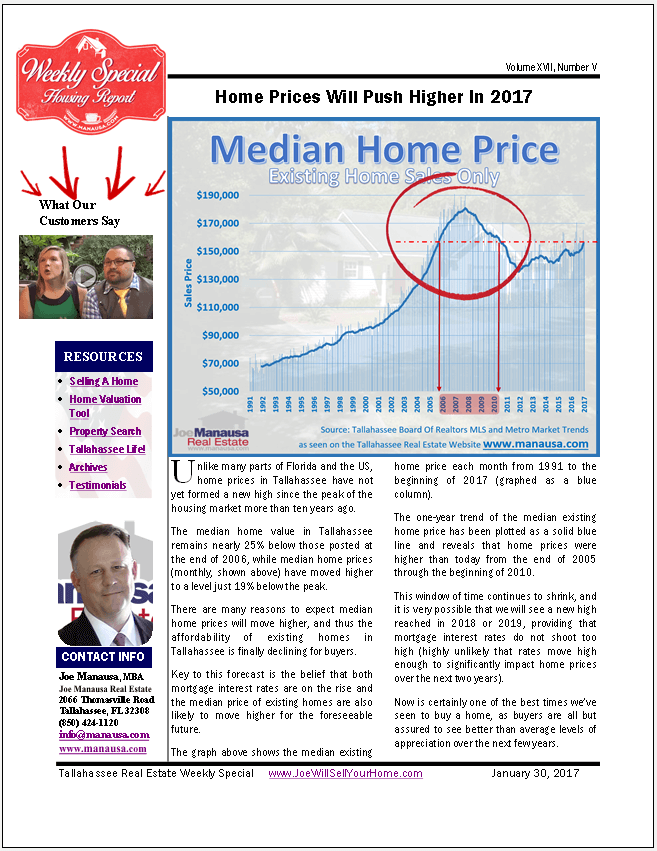
Don't be the one that doesn't know what's going on when you sell a home or buy a home in Tallahassee.
Other buyers, sellers, lenders, and real estate agents have this critical information, and now you can too!
Get immediate access to our most recent newsletter.
Let more than 30 years of experience work for you with charts, graphs, and analysis of the Tallahassee housing market.
More Listings Give Buyers Choices, But Not Unlimited Leverage
After reviewing closed sales, the next question is whether buyers have sufficient inventory to gain meaningful leverage. This matters because the US Housing Market can feel slow even when it is not oversupplied, especially when higher payments keep many buyers cautious.
The next graph from the Redfin report separates active listings from homes under contract, which helps show the difference between homes available for purchase and homes buyers have actually committed to buying.
This graph shows why today’s market feels different for both sides of the transaction. Active listings have risen from the extreme shortage period, so buyers now have more homes to compare. However, listings under contract have not increased with the same strength, meaning more supply is not automatically translating into more signed contracts.
As a result, buyers have gained more selection, but not unlimited leverage. They can be more patient than they were during the low-inventory frenzy, yet they still need to recognize that properly priced homes can move when they match current payment realities.
Sellers Must Compete For Buyer Attention In This Real Estate Market
Meanwhile, sellers should pay close attention to the gap between active listings and under-contract listings. More competition means a listing must earn attention quickly. If the price, condition, or presentation does not match what buyers expect, the home can sit while better-positioned competitors attract the available demand.
This is also why the latest Redfin housing market report should not be read as a simple “inventory is up, prices must fall” story. Instead, the US Housing Market is showing a more complex pattern: buyers have more choices, but affordability still limits how many of those choices result in contracts.
Therefore, the practical advice is straightforward. Buyers should compare listings carefully and watch which homes are going under contract. Sellers should not just ask, “How many homes are for sale?” They should ask, “Which homes are getting chosen, and why?”
Speak To A Local Expert!
Joe was born and raised in Tallahassee and has been selling real estate for over 30 years.
Let us show you how to use our local knowledge of Tallahassee and the current state of the housing market to your advantage, ensuring you the best deal possible when selling or buying a home.
His past customers speak volumes (you will see Joe's past-customer reviews after you submit the form) on why you should hire Joe to be your real estate agent.
Talk to us today about helping you negotiate a better deal, with better terms, when selling or buying your home. You'll be glad you did!
Prices Remain High, But Price Alone Does Not Prove Strong Demand
Next, we need to look at prices carefully. Median sale price is one of the most-watched numbers in the US Housing Market, but it is also one of the easiest to misread when viewed in isolation.
This is where the Redfin report needs context. A price chart shows what closed, not how many buyers competed for those homes or how many potential buyers stayed on the sidelines because the payment no longer worked.
In addition, price should be compared with local market conditions rather than treated as a stand-alone national signal, which is why the recent report on Tallahassee MSA home prices by ZIP code gives buyers and sellers a more useful local comparison.
The next graph shows the national median sale price and the year-over-year change in that price, which helps explain why the market can feel slow even while prices remain elevated.
After viewing the graph, the key point is clear: median home prices remain near the top of the historical range. That confirms slower sales have not created a broad national price collapse. However, this does not mean buyers are competing aggressively for every listing.
Instead, it means the homes that are closing are still closing at elevated prices. That distinction matters. In a payment-constrained market, many would-be buyers never close. They may search online, tour homes, talk to lenders, or wait for rates to improve, but they do not appear in the median sale price once they step back.
As a result, sellers should not use high national prices as a reason to ignore today’s buyer resistance. A strong median price does not guarantee that an individual overpriced listing will sell. Buyers are still comparing condition, location, payment, insurance, taxes, and competing options before they commit.
Buyers Still Compare Value Before They Commit
At the same time, buyers should not assume that slower sales automatically mean prices must fall sharply. The redfin housing market report shows that supply has improved, but not enough to overwhelm demand nationally. Therefore, price weakness is more likely to show up first in overpriced homes, weaker locations, poor condition, or markets where inventory has risen faster than buyer activity.
In practical terms, this price chart reinforces the central theme of the US Housing Market. Prices are still high, but the payment required to buy those homes is much higher than it was a few years ago. That is why the market can have elevated prices, slower sales, more active listings, and frustrated buyers at the same time.
For local context, this is also why homeowners should compare national trends with current local conditions before making a pricing decision. The recent Manausa post on Tallahassee MSA home prices by ZIP code shows how local supply and leverage can differ from the national headline.
How To Sell Your House On Your Own

10 PROVEN Strategies To Increase A Home's Selling Profit
2025s HOTTEST Home Selling Strategies You Need NOW

The 3-DAY Method To Sell Your Home For More (2025)

The Best Time To Lower The Price In A Home Sale

How FOMO Makes Your Home Sale More Profitable

Home Sale Sabotage: Top 10 Mistakes Sellers Make

How To EASILY Sell Your House For More Money

The Truth About Seller Fatigue: It Costs You 6 Ways

Watch: This Expert Shares Ironclad Home Selling Plan For FSBOs

8 Red Flags Warn Against Unscrupulous Real Estate Agents

How To Sell Your House When You Are In A Hurry

6 Real Estate Contract Terms You Should Not Overlook

12 Home Selling Tips For Retirees - Sell Home In Retirement

What Sellers Need To Know About Robo-Offers In Real Estate

I Asked An AI Why Real Estate Agents Ask Sellers For Price Reductions

Should you sell your home or rent it out?

Sellers: Get The Most $ For Your Home

How To Sell Your House Without A Real Estate Agent
Longer Real Estate Market Time Confirms Buyers Are More Selective
After reviewing prices, the next question is speed. In the US Housing Market, median days on market helps indicate whether buyers feel urgency or have enough time to compare options before making an offer.
This matters because a home can be priced near the national trend and still sit if buyers do not see enough value at today’s payment. The Redfin report tracks this by measuring how long homes take to sell, which adds important context to the price and sales charts.
The next graph shows median days on market and the year-over-year change, giving us a clearer view of buyer urgency.
The graph shows that homes are taking longer to sell than they did during the fastest part of the low-rate market. However, the current reading does not point to a broken national market. Instead, it shows a market that has slowed enough for buyers to think, compare, and reject homes that do not match their budget.
As a result, sellers should treat market time as direct feedback. If showings are weak, buyers may be rejecting the price before they ever visit. If showings are decent but offers are lacking, buyers may be rejecting the home’s value once they compare it with competing listings.
Meanwhile, buyers should understand what a longer market time does and does not mean. It can create more time to evaluate the condition, ask questions, and negotiate. However, it does not mean every seller will accept a low offer. In many areas, especially where supply remains limited, well-positioned homes can still move quickly.
Local Market Time Matters More Than The National Average
For a local perspective, this is why national days-on-market data should be compared with current Tallahassee real estate conditions before making a pricing or offer decision.
Therefore, the practical message from this redfin housing market report is simple. Longer market time gives buyers more breathing room, but it also forces sellers to compete more carefully. In the current US Housing Market, speed belongs to homes that are priced, prepared, and presented correctly.
Buy Now Or Wait? The 91.6% Rule
Biased Results? The New York Times Rent Or Buy Calculator
Do's And Don'ts During The Home Loan Process
6 Real Estate Contract Terms You Should Not Overlook
7 Tips On Buying A Home With A Pool
How much house can you actually afford (By Income)?
What Does "Marry The House Date The Rate" Mean In Real Estate?
Why Fixer Uppers Are the New Gold | Home Renovation Guide
8 Tips For Buying An Affordable Florida Vacation Home
New Home Construction: Buy Now or Wait for Prices To Drop?
6 Real Estate Investing Lessons from the 2008 Housing Bubble
Leveraging Seller Financing to Expand Market Opportunities
How To Avoid Common Legal Issues When Buying Or Selling A Home
Top 10 Neighborhoods to Live in Tallahassee for Families
How HGTV Is Like Meth For Homebuyers
How To Use Price Per Square Foot When Valuing A Home
Is Home Ownership A Hedge Against Inflation?
Need To Move? Buying vs. Renting Today
Buy A Home Now Or Wait For 2024?
How To Get A Good Deal On A Home
9 Tips For Buying A Home In A Bidding War
Don't Lose Your Real Estate Contract Binder Deposit
Four Smart Ways To Use A Real Estate Contract Assignment
Why It's Alway About Supply And Demand In Real Estate
Top 10 Tallahassee Neighborhoods
Should You Get A 40-Year Mortgage?
What Does A Transaction Coordinator Do?
Months Of Supply Have Improved, But It Does Not Signal A Collapse In The US Housing Market
After looking at market time, the next step is to measure balance. Months of supply help explain whether the US Housing Market is still tight, moving toward balance, or becoming oversupplied.
This measure is useful because it combines two forces: how many homes are available and how quickly buyers are purchasing them. The Redfin report includes this view because inventory alone does not tell the full story.
The next graph shows months of supply for the national housing market, which helps us understand whether higher inventory is giving buyers more leverage or simply moving the market away from extreme shortage.
After reviewing the graph, the important point is that supply has improved, but it has not exploded. Months of supply is higher than it was during the tightest period, giving buyers more options and reducing some of the urgency that defined the low-rate years. However, the chart does not show the kind of national oversupply that would normally point to widespread distress.
As a result, buyers should see this as a better selection environment, not a guaranteed discount environment. More supply can help buyers compare homes, ask better questions, and avoid chasing every new listing. Still, if the best homes are priced correctly and located in areas with limited replacement supply, they can continue to attract serious buyers.
Meanwhile, sellers should recognize that more supply changes the rules. During the shortage years, many sellers could rely on scarcity to carry the listing. Today, scarcity is not enough. Buyers have more choices, so homes must compete on price, condition, location, and presentation.
Local Supply Determines Real Leverage In The US Housing Market
This is also why national inventory measures should be compared with local conditions before making a decision. For example, the Manausa guide to Tallahassee neighborhoods can help buyers and sellers think more locally, because supply conditions can vary sharply by neighborhood, school zone, ZIP code, and price range.
Therefore, the practical reading is balanced. The US Housing Market is no longer as starved for inventory as it was during the pandemic housing shortage, but it is not drowning in supply either. The current market gives buyers more room to think and forces sellers to compete more carefully, which is very different from a national housing collapse.
The Best Time To Lower The Price In A Home Sale
Want to Sell Your Home Quickly and Profitably? Watch This Now
Time-Lapse Tree Removal!
What Does A Realtor Earn?
How To Sell Your House When You Are In A Hurry
Do's And Don'ts During The Home Loan Process
7 Tips On Buying A Home With A Pool
How much house can you actually afford (By Income)?
What Sellers Need To Know About Robo-Offers In Real Estate
Living In Tallahassee: 10 Things You Cannot Do In Tallahassee
What Does "Marry The House Date The Rate" Mean In Real Estate?
Home Affordability: Can New White House Plan Fix Housing?
Should Corporate Homeownership Be Made Illegal | Homeownership Matters
Why Fixer Uppers Are the New Gold | Home Renovation Guide
New Home Construction: Buy Now or Wait for Prices To Drop?
Sellers: Get The Most $ For Your Home
How To Sell Your House Without A Real Estate Agent

9 Mistakes to Avoid When Selling Your Home
Leveraging Seller Financing to Expand Market Opportunities
The Truth About A Dubious Real Estate Statistic
Pre-Marketing: Win the Home Selling Race
Top 7 Ways To Market Your Home For Sale Using Technology
Are you a NIMBY or a YIMBY?
How HGTV Is Like Meth For Homebuyers
Market Equilibrium, How The Balance Has Changed In Real Estate
How To Use Price Per Square Foot When Valuing A Home
Is Home Ownership A Hedge Against Inflation?
Are Wages Keeping Up With Rising Home Prices
Need To Move? Buying vs. Renting Today
Housing - Do You Follow Your Gut (Or Analytics) In Housing?
Pending Sales Show Demand Is Present, But Cautious
After reviewing the supply, we need to look at the buyer’s commitment. Pending sales are among the best demand signals in the US Housing Market because they indicate that buyers have moved beyond browsing and have signed contracts.
This matters because prices alone do not prove demand, and active listings alone do not prove weakness. The Redfin report helps connect those pieces by showing whether buyers are converting available listings into pending sales.
The next graph shows national pending home sales and the year-over-year change, providing a clearer view of current buyer demand.
After viewing the graph, the market looks active but restrained. Pending sales have improved since the weakest point of the rate-shock period, suggesting buyers have not disappeared. However, the chart does not show the kind of broad surge that would signal a return to the low-rate buying environment.
As a result, buyers should understand that they are competing in a selective market, not an empty one. They may have more time and more choices than they had a few years ago, but they still need to act decisively when a home fits their location, condition, and payment requirements.
Meanwhile, sellers should recognize that demand still exists, but it is conditional. Buyers are not rejecting every home. They are rejecting homes that do not justify the payment. That distinction is important because it means the right pricing strategy can still produce results, while wishful pricing can cause a listing to sit.
Local Contract Activity Shows Where Buyers Are Acting
This is also why national pending-sales data should be paired with local contract activity before making a decision. For buyers and sellers in Tallahassee, the Tallahassee real estate market trends report can help connect national signals with local supply, pricing, and buyer behavior.
Therefore, the practical message from this redfin housing market report is clear. The US Housing Market still has demand, but that demand is more disciplined than it was during the low-rate years. Buyers are present, yet they are filtering each decision through affordability, value, and risk.
Mortgage Rates Are Expected to PLUMMET Below 6 Percent
Mortgage PITI Explained: Why Mortgage Payments Are Soaring!
Do's And Don'ts During The Home Loan Process
What 'normal' has meant over the years - Understand where rates are going
Will NINJA Loans Bring Down The Housing Market?
Should You Get A 40-Year Mortgage?
10 Mistakes Homebuyers Make In The Home Mortgage Process
Active Listings Are Up, But The US Housing Market Is Not Flooded
Finally, we need to look at the broad inventory picture. Active listings show how many homes are available for sale, which helps explain why buyers have more choices today than they had during the tightest part of the market.
However, inventory must be interpreted carefully. More homes for sale can improve buyer selection, but it does not automatically mean the US Housing Market has moved into broad distress. The Redfin report provides a national view, while local conditions determine how much leverage buyers and sellers actually have.
The next graph shows the number of active homes for sale and the year-over-year change, providing the clearest supply-side view in this Redfin housing market report.
After viewing the graph, the supply story becomes clearer. Active listings have risen from the extreme shortage period, giving buyers more options and reducing the urgency that defined the low-rate frenzy. However, the long-term view shows that national supply remains well below the levels seen before the pandemic-era shortage.
As a result, buyers should not assume that more listings automatically mean sellers have lost control. In some markets and price ranges, increased supply can create room for negotiation. In others, the best homes still attract serious buyers because replacement supply remains limited.
Meanwhile, sellers should not ignore the increase in competition. More active listings mean buyers can compare homes more easily. Therefore, a listing must justify its price through condition, location, presentation, and value. If it does not, buyers can move on to the next option faster than they could during the shortage years.
Local Inventory Determines Seller Competition
This is where local interpretation becomes essential. A national inventory chart can show the direction of the US Housing Market, but it cannot tell a Tallahassee seller how much competition exists in a specific ZIP code or price range. For local context, the Tallahassee real estate market trends report can help connect national supply signals with local buyer and seller conditions.
In practical terms, this Redfin report shows a market that has more supply, not too much supply. Buyers have more room to compare, while sellers have less room for pricing mistakes. That combination explains why today’s market feels slower, more selective, and more demanding for both sides.
Get Our Free Market Update

Other buyers, sellers, lenders, and real estate agents have this critical information, and now you can too!
Get immediate access to our most recent newsletter.
Let more than 30 years of experience work for you with charts, graphs, and analysis of the Tallahassee housing market.
Each Monday morning we send out a simple, one-page report that provides a snapshot of the Tallahassee housing market. It only takes 2 minutes to read, but it gives you better market intelligence than most real estate agents possess. Just tell us where to send it below!
What This Means For Buyers
For buyers, the message is not “wait” or “rush.” The better message is this: understand the payment first, then evaluate the house, the local supply, and the pace of sales.
In the current US Housing Market, affordability drives decisions more than desire does. Many buyers still want to move, but higher mortgage rates have changed the type of home their payment can support. At the same time, months of supply have improved, giving buyers more room to compare homes than during the tightest years.
However, more supply does not automatically create unlimited leverage. Months of supply combines two important forces: how many homes are available and how quickly buyers are purchasing them. That makes it more useful than inventory alone.
Five Questions Buyers Should Ask Before Making An Offer
Buyers should focus on five questions before making an offer:
- Does the monthly payment still work after taxes, insurance, HOA fees, and maintenance?
- How many months of supply exist in the same price range, ZIP code, and property type?
- Are similar homes going under contract, or are they sitting?
- How long have the best competing homes been on the market?
- Does this home justify the payment compared with other active listings?
This is especially important because national data can only capture the market’s broad direction. A national redfin housing market report can show that supply has improved, sales are slower, and market time has increased. However, it cannot tell a buyer whether one specific Tallahassee home is priced correctly for its ZIP code, school zone, condition, and competition.
Therefore, buyers should compare the national trend with local months of supply before deciding how aggressively to negotiate. If the months of supply are rising in a specific price range, a buyer may have more room to ask for repairs, closing-cost help, or a better price. Meanwhile, if months of supply remain tight for the home type they want, a strong listing may still require a clean, timely offer.
For local buyers, the best next step is to study current neighborhood-level conditions before touring homes. The Tallahassee neighborhoods guide can help buyers narrow the search by area before comparing individual listings.
The practical rule is simple. In today’s US Housing Market, buyers should not chase every listing, but they also should not assume every seller is weak. The strongest position comes from knowing the payment, knowing local months of supply, knowing the competing listings, and acting quickly only when the numbers make sense.
What This Means For Sellers
For sellers, the current market requires more discipline than it did in the low-rate years. Buyers are still present, but they are more selective because the payment is heavier, available choices have improved, and the months of supply have moved up from the shortage period.
This means sellers should not use elevated national prices as permission to overprice. A high median sale price tells us that homes are still closing at strong prices. However, it does not guarantee that an individual listing will attract offers if buyers have more competing options in the same price range.
Six Priorities For Sellers In This Market
In this market, sellers should focus on six priorities:
- Price against current competition, not against the peak of buyer urgency.
- Compare months of supply in the exact price range before choosing a list price.
- Prepare the home before launch so buyers do not immediately discount it.
- Monitor early showing activity, as weak traffic often signals a pricing problem.
- Compare your home with active listings, not just closed sales.
- Adjust quickly if the market rejects the price.
This matters because months of supply explain the balance between seller competition and buyer activity. If supply rises faster than sales, buyers gain time and negotiating room. If supply remains tight, sellers may still have leverage, but only when the home is priced and presented correctly.
For Tallahassee sellers, local pricing matters more than national averages. A seller in one ZIP code may face limited competition, while another seller in the same price range may compete against more inventory, newer listings, or stronger presentation. The home-selling resources can help sellers think through pricing, preparation, and timing before going live.
The practical rule for sellers is direct. The US Housing Market still rewards homes that are priced, prepared, and marketed correctly, but it punishes listings that ignore buyer affordability and local months of supply.
How To Get 20% Or More With Leveraged Real Estate
8 Tips For Buying An Affordable Florida Vacation Home

Should you sell your home or rent it out?
Is turning your college student into a homeowner a wise investment or a financial faux pas?
6 Real Estate Investing Lessons from the 2008 Housing Bubble

How To Avoid Common Legal Issues When Buying Or Selling A Home

Should You Buy A House For Your Child?
How To Use Price Per Square Foot When Valuing A Home

Is Home Ownership A Hedge Against Inflation?

Four Smart Ways To Use A Real Estate Contract Assignment

Why It's Alway About Supply And Demand In Real Estate

How Often Do Home Prices Fall?
How Much Should You Put Down On A House?

Real Estate Negotiation Strategies For Each Market Condition

Real Estate Is Local - What This Means!
What This Means For Homeowners And Investors
For homeowners, the US Housing Market is not sending a simple sell-or-stay signal. Instead, it shows a market where equity remains supported in many areas, but a selling strategy matters more than it did during the low-rate boom.
This matters because higher mortgage rates affect homeowners in two ways. First, they reduce the buying power of potential buyers. Second, they can discourage current owners from selling if they already have a much lower mortgage rate. As a result, supply has improved, but it has not returned to the kind of level that would create broad national distress.
Homeowners should focus on three practical questions:
- How much equity do I have after realistic selling costs?
- How much local competition exists in my price range and ZIP code?
- Would my next housing payment improve my life enough to justify the move?
For many homeowners, the best decision will depend on local months of supply, not the national headline. If supply is tight in the owner’s price range, selling may still be attractive. However, if supply has risen and buyer activity is slower, the home must be priced and prepared carefully.
Investors Should Underwrite More Conservatively
For investors, the message is even more specific. Higher borrowing costs can reduce cash flow, increase holding risk, and make resale assumptions more dangerous. Therefore, investors should not rely on broad appreciation to rescue a weak deal.
Instead, investors should evaluate each opportunity through local rent demand, acquisition price, repair costs, financing terms, resale risk, and months of supply. In this US Housing Market, the best opportunities are more likely to come from local inefficiencies than from a broad national discount.
For those evaluating Tallahassee opportunities, local research matters more than national averages. The Tallahassee real estate market page can help connect broad housing trends with local search behavior, available homes, and market conditions.
FAQ
Is the US Housing Market crashing?
No. The US Housing Market is slower and more selective, but the data in this report does not show a broad national crash. Sales are lower than the low-rate years, inventory has improved, and market time has increased, but median prices remain elevated and supply does not show a nationwide flood.
Why does the housing market feel so slow?
The market feels slow because affordability has changed. Higher mortgage rates have raised monthly payments and reduced buying power, so many buyers are still interested but more cautious.
What is months of supply, and why does it matter?
Months of supply measures how long it would take to sell the current inventory at the current sales pace. It matters because it combines supply and demand into one useful balance metric.
Does more inventory mean buyers have control?
Not always. More inventory gives buyers more choices, but leverage depends on local months of supply, price range, property condition, and how quickly comparable homes are going under contract.
Why are home prices still high if sales are slower?
Prices remain high because the homes that close are still selling at elevated levels. However, closed prices do not include buyers who stepped back because the payment was too high.
Should buyers wait for mortgage rates to fall?
Buyers should not base the entire decision on rate hopes. If mortgage rates fall, more buyers may enter the market, which could reduce negotiating room. A better strategy is to evaluate the payment, the property, local supply, and long-term plans together.
What should sellers do differently in this market?
Sellers should price competitively, study local months of supply, prepare the home before launch, and respond quickly if early showing activity is weak. Buyers are still present, but they are more selective.
Final Takeaway
The US Housing Market is not frozen, booming, or collapsing. It is payment-limited.
That distinction matters. Mortgage rates have changed what buyers can afford, even though many still want to move. At the same time, supply has improved from the shortage years, but not enough to create a broad national flood of homes.
Therefore, buyers should use improved selection carefully, sellers should respect buyer affordability, homeowners should compare equity with the next payment, and investors should underwrite each opportunity with discipline.
The latest Redfin housing market report points to a slower, more selective market. The best decisions will come from reading the national trend and then applying it locally.
Need Localized Help?
For a ZIP-code-specific review of your home or buying plan, contact the Joe Manausa Team at Xcellence Realty. We will help you understand what the numbers mean before you make your next move.