

How Price-to-Income Ratios Define Today’s Housing Crisis
Back in 1990, the idea of buying a home for less than three years’ worth of income wasn’t just wishful thinking—it was reality in 75 of the largest U.S. metro areas. Fast forward to 2024, and that level of affordability has nearly vanished. Only Akron, Ohio, Toledo, Ohio, and McAllen, Texas, still offer homes at a price-to-income ratio of less than 3. For everyone else, the numbers have shifted into much tougher territory.
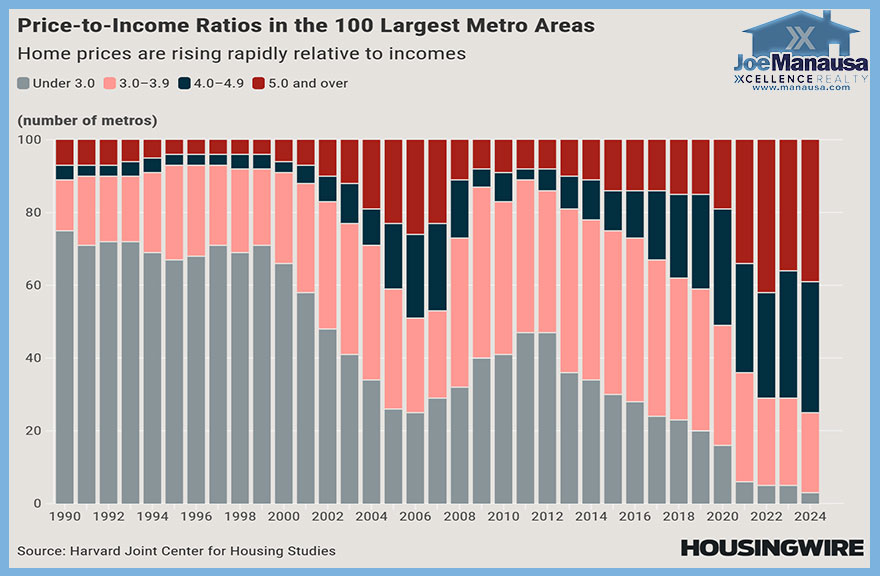
The price-to-income ratio is a straightforward but powerful metric. It compares the median home price to the median household income, and a ratio under 3 means homes are considered affordable. In 1990, this was the norm for most major cities. However, the average price-to-income ratio among the 100 largest U.S. metros has increased from 3.2 in 1990 to 5.0 in 2024. That means, on average, homes in these areas now cost five times what the average household earns in a year.
This shift isn’t just about averages—it’s about the growing number of places where affordability has become a real challenge. In 1990, only seven metro areas had a price-to-income ratio above 5. Today, that number has surged to 39. Nearly four out of every ten large metro areas now have homes priced at five times or more the local median income. That puts a heavy strain on anyone trying to make a purchase, often forcing families to stretch their budgets, take on more debt, or forgo savings just to make a purchase possible.
The root of this steep climb is the widening gap between home prices and wages. Over the past decade and a half, home prices have consistently outpaced income growth. While Americans are earning more than they did in the past, those gains haven’t kept up with the rapid rise in property values. As a result, buyers today face larger monthly payments and tighter budgets, even if they’re earning a decent wage.
Another piece of the puzzle is the supply side. Over the last 15 years, new housing construction has failed to keep pace with population growth, particularly in areas with robust job markets. This shortage of new homes means more buyers are competing for fewer properties, which drives prices and price-to-income ratios even higher.
The impact of these trends goes far beyond the people actively shopping for homes. When fewer households can afford to buy, more are pushed into the rental market, increasing demand for a limited supply of rental units. This puts additional pressure on rents, making it harder for both renters and potential buyers to find affordable places to live.
Affordability, once a given for most Americans, is now slipping away. The rise in price-to-income ratios is not just a coastal or big-city issue—it’s a nationwide pattern that’s reshaping what it means to achieve financial stability through homeownership. These stretched price-to-income ratios don’t just squeeze buyers—they push more people into tight rental markets, too.
The Cost-Burdened Majority: Renters and Homeowners Under Financial Pressure
Let’s turn to another measure that reveals just how widespread the financial pressure has become: the share of Americans now considered “cost-burdened.” This term, once used mainly to describe renters, now also applies to a growing number of homeowners.
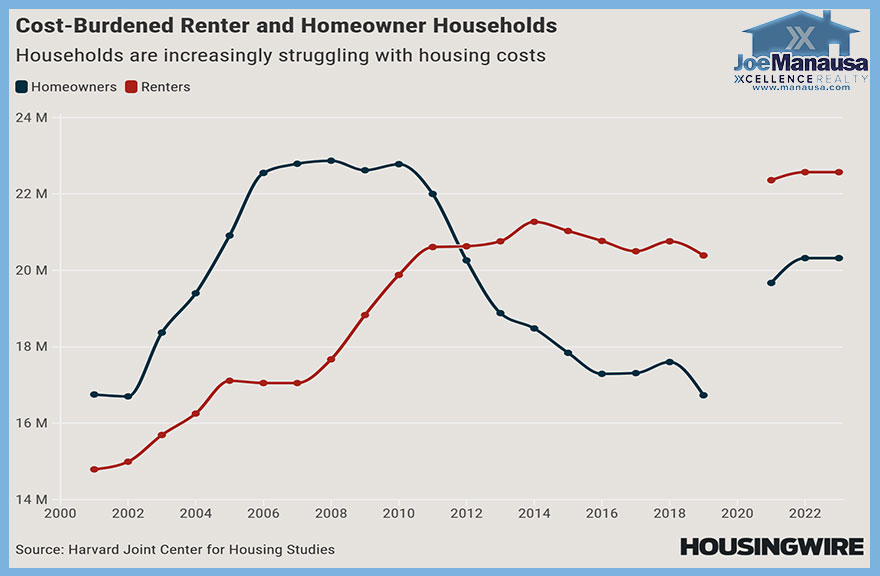
A household is considered cost-burdened if it spends more than 30% of its gross income on housing costs—a threshold that indicates vulnerability, reduced savings, and limited resources for other essentials.
For years, renters have felt this pinch most acutely, as rents climbed faster than wages in many parts of the country. But recently, homeowners have joined their ranks in record numbers. In 2019, 16.7 million homeowners were classified as cost-burdened. By 2021, the number had increased to 19.7 million, and by 2024, it had reached 20.3 million. This steady increase highlights a shift: the financial strain of housing is no longer limited to those who rent. Even those who own are struggling to keep their expenses in check.
What’s driving this upward trend among homeowners? It’s not risky mortgages or overleveraged buyers like we saw during the housing boom of the 2000s. Instead, it’s the relentless rise in the cost of everything tied to homeownership. Property taxes, for example, have surged nationwide. Between 2021 and 2023, the national average property tax payment increased by 12%. In some states, especially those with already high tax rates, homeowners are now paying thousands more each year than they did just a few years ago. The impact isn’t uniform—local tax policies and home value trends make the burden heavier in some places than others—but nearly everyone is feeling the effects.
Inflation has also played a significant role, pushing up the cost of utilities, services, and everyday home expenses. Homeowners find themselves budgeting more for the basics, with little relief in sight. Even those who have paid off their mortgages aren’t immune; rising taxes and fees can still eat up a significant share of fixed incomes, especially for retirees and others on tight budgets.
For renters, the situation remains just as challenging. They continue to face high demand and limited supply, which keeps rents elevated. Unlike homeowners, renters don’t benefit from rising equity, so every rent increase is a direct hit to their monthly finances. Both groups—renters and homeowners—are now navigating a landscape where housing costs consume a larger share of their income, leaving them with less for savings, healthcare, or other essential needs.
And speaking of those rising costs, one of the fastest-growing expenses today is property insurance—let’s look at why.



Fannie Mae Report: It's The TRUTH About The Housing Market

Real Estate Meltdown: Starter Homes at $1M in 233 Cities

Is the Housing Market Crashing? | Redfin April 2025 Update

Is This The CALM Before The CRASH? Volatility Rocks Housing

Warning Signs For Home Buyers And Sellers
The Insurance Squeeze: Why Premiums Are Skyrocketing
Premiums for property insurance have become a major strain for homeowners across the country, hitting nearly everyone, not just those in disaster-prone areas.
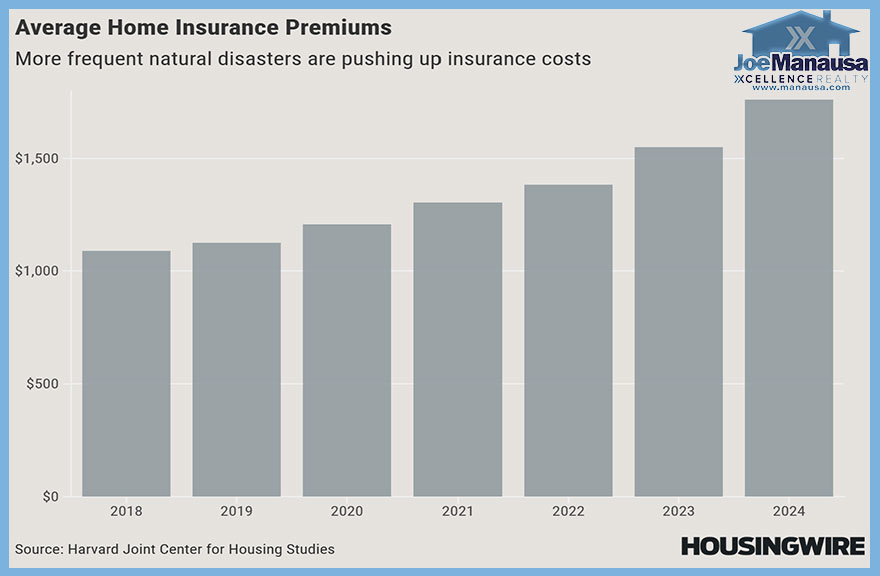
The numbers are clear: between 2018 and 2024, the national average home insurance premium nearly doubled, rising from $1,089 to $1,761. This sharp increase, confirmed by recent research, means that insurance now takes up a much larger share of the typical homeowner’s budget than it did just a few years ago.
What’s driving this surge? The answer lies in the rising number and cost of disaster-related claims. Major insurers are facing more payouts due to hurricanes, wildfires, floods, and other extreme events. In response, they’re either pulling out of high-risk states or hiking premiums to cover their growing liabilities. Homeowners in these areas often have little choice but to accept higher costs or scramble to find new coverage, sometimes from smaller, more expensive providers.
Florida offers a clear example of how severe this crisis has become. In Miami, the annual home insurance premium for a median-priced home now exceeds $11,000. And California is facing similar pullouts and rate hikes, with insurers leaving entire regions after repeated wildfire losses. This isn’t just a coastal issue. Even in states like Texas, where hailstorms and floods have become more frequent, homeowners are seeing steady rate increases. The pattern has spread nationwide, making high insurance costs a reality for many, regardless of their location.
These rising premiums don’t just affect homeowners. Landlords facing higher insurance bills often pass those costs on to renters through increased rents. In multi-family properties, insurance is one of several operating costs that get bundled into what tenants pay each month. As insurance claims and payouts climb, so does the pressure on everyone in the housing market.
For homeowners, especially those on fixed or modest incomes, the unpredictability of insurance costs is a growing concern. Unlike a mortgage payment, which can be fixed for decades, insurance premiums are subject to annual increases. Some families find themselves paying far more for insurance than they ever expected. When an insurer leaves the market, the scramble for replacement coverage can be both stressful and expensive.
The reality is that insurance, once a relatively minor line item in the budget, is now a significant factor in home affordability. With premiums and property taxes both on the rise, homeowners are finding it harder to keep their monthly costs predictable.
For those who have built up equity in their homes, that financial cushion is becoming more critical than ever. It helps absorb the blows from rising expenses and provides options if budgets get tight.
With insurance and taxes climbing, this makes a homeowner’s equity cushion even more critical.

Buy Now Or Wait? The 91.6% Rule

Biased Results? The New York Times Rent Or Buy Calculator

Do's And Don'ts During The Home Loan Process

6 Real Estate Contract Terms You Should Not Overlook

7 Tips On Buying A Home With A Pool
How much house can you actually afford (By Income)?

What Does "Marry The House Date The Rate" Mean In Real Estate?

Why Fixer Uppers Are the New Gold | Home Renovation Guide

8 Tips For Buying An Affordable Florida Vacation Home
Equity Soars For Homeowners, Nothing For Renters
The conclusion is clear: homeowners have seen their aggregate equity surge to $34.5 trillion in 2024, up from $11.4 trillion in 2012, while aggregate mortgage debt has stayed nearly flat at about $13.3 trillion.
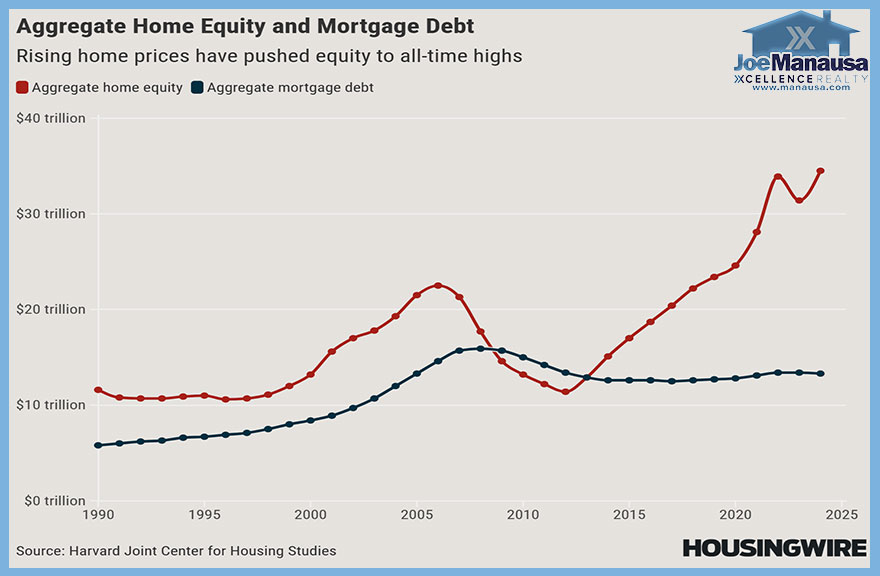
This growth in equity gives existing homeowners a significant buffer against rising costs. If you plan to stay in your home for the long term, locking in a fixed-rate mortgage can help you keep your principal and interest payments steady, even as insurance and property taxes continue to rise.
For renters, prepare for higher rents as landlords pass on their rising expenses. The housing market is shifting quickly, and your next move matters. Please let me know in the comments!
Are you considering buying, refinancing, or continuing to rent? I’d like to hear about your plans for the next steps. With these data insights, you can approach your housing decisions with greater confidence.
If you are waiting for mortgage interest rates to drop, consider watching my recent video, where I share Jerome Powell’s urgent warning about how changing rates will impact the housing market.