
Why Are Mortgage Delinquencies So Low?
Mortgage delinquency rates are sitting at just 3.20%, which is strikingly low given the economic pressures many households are facing. That figure measures the percentage of all U.S. mortgages that are at least one payment behind, and it actually dipped by two basis points from the previous month.

However, when considering the broader perspective, the rate is still up 16 basis points year over year, representing a 5.2% increase. This indicates that, while things appear stable on the surface, there’s more going on beneath the surface.
So, what’s keeping the overall delinquency rate so low? The main reason is who’s actually getting approved for mortgages right now.

Lenders are adhering to strict underwriting standards, which means they’re primarily approving borrowers with strong credit and stable financial backgrounds. The average credit score for new purchase loans is 738, just a hair below the record set last year. This higher bar for entry means that most recent borrowers are better positioned to keep up with their payments, even as affordability gets tighter.
Another factor is that operational improvements in the mortgage industry have made the process smoother for borrowers. Faster approvals and streamlined paperwork reduce the risk of a payment being overlooked. While the exact closing timelines aren’t the headline here, the industry’s increased efficiency helps borrowers stay on track and avoid unnecessary delinquencies.
But these positive numbers don’t tell the whole story.
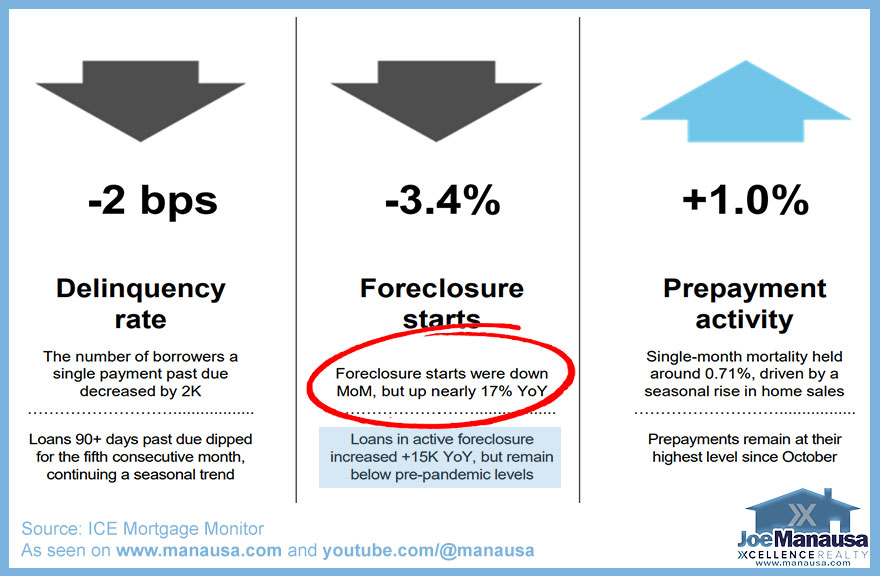
If you look closer, you’ll see that serious delinquencies—loans that are 90 days or more past due but not yet in foreclosure—are still rising. In fact, there are 56,000 more seriously delinquent loans than at this time last year, representing a 14% increase. That means thousands of homeowners are facing extended financial hardship, even as the overall numbers appear healthy.
There’s also the seasonal effect to consider. Summer typically sees delinquency rates dip as tax refunds and midyear budgets get reshuffled. This temporary relief doesn’t erase the underlying stress for many borrowers, especially with high borrowing costs and inflation cutting into household budgets. A single disruption, like a job loss or an unexpected expense, could quickly push more loans into serious delinquency or even foreclosure.
And that’s where the most concerning trend comes in. Despite seasonal fluctuations, foreclosure starts are on the rise, up 17% year-over-year.
This rise suggests that while most borrowers are holding steady for now, an increasing number of homeowners are starting to slip through the cracks. The numbers show resilience, but the risks are mounting—especially for those already burdened by other debts.
This brings us to a growing source of pressure for many households: the resumption of student loan payments.
Keep Up With New Trends In Tallahassee!
Get The Tallahassee Real Estate Newsletter
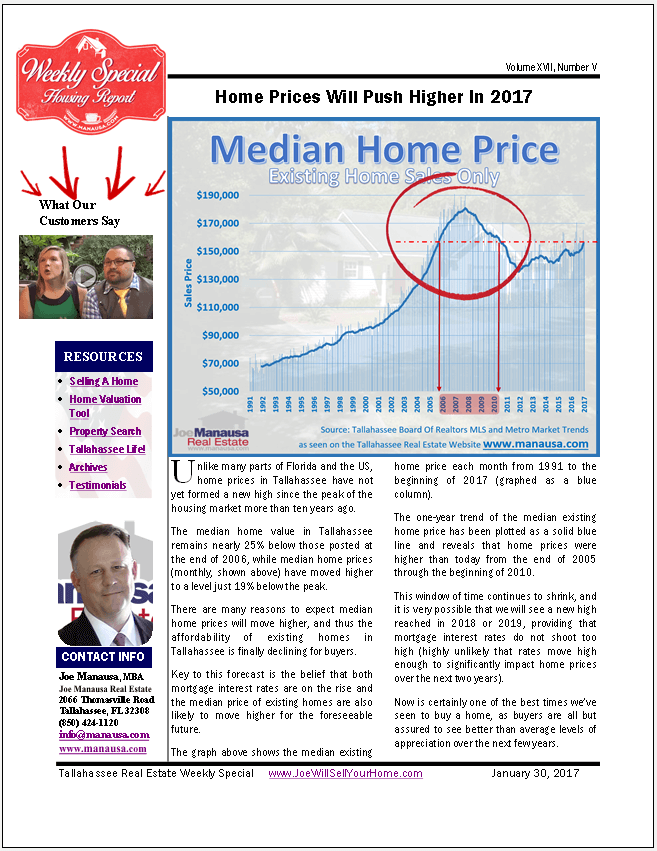 Don't be the one that doesn't know what's going on when you sell a home or buy a home in Tallahassee.
Other buyers, sellers, lenders, and real estate agents have this critical information, and now you can too!
Get immediate access to our most recent newsletter.
Let more than 30 years of experience work for you with charts, graphs, and analysis of the Tallahassee housing market.
The Double Hit: Student Loan Debt and Foreclosures
The intersection of student loan debt and rising foreclosure rates is putting a unique strain on today’s homeowners.

This “double hit” is especially pronounced for a sizable segment of the market: about 20% of all U.S. mortgage holders also carry student loan debt, but that number jumps to nearly 30% among FHA borrowers. These FHA borrowers—often first-time buyers with lower incomes and higher debt-to-income ratios—are feeling the pressure most acutely. Compared to the broader market, their exposure to both mortgage and student loan obligations makes them far more vulnerable to financial setbacks.
Recent data shows just how quickly this risk is escalating.
Serious student loan delinquencies more than doubled in a matter of months, rising from 15% in January to 31% by April. That surge means more households are falling behind on their student loans just as they’re expected to keep up with mortgage payments. And the connection isn’t just theoretical: the ICE Mortgage Monitor reveals that borrowers who are past due on their student loans are up to four times more likely to also fall behind on their mortgages. It’s a tightrope, and more people are starting to slip.
For many, the monthly reality is a tough one. Imagine a homeowner who bought with an FHA loan and has managed to stay current on payments, but now faces a resumed student loan bill of $400 or $500 each month. That extra expense, stacked on top of higher living costs, can quickly erase any remaining financial cushion. For some, the choice becomes whether to delay a student loan payment, accumulate credit card debt, or risk falling behind on the mortgage. While every household’s situation is different, this scenario is becoming increasingly common—especially among those with the least disposable income.
The impact is showing up in the numbers.

Non-current rates for FHA loans—meaning delinquent or seriously delinquent mortgages—have jumped 12% over the past year. This sharp increase highlights just how much more exposed FHA borrowers are compared to the market as a whole. Lower incomes, higher debts, and a higher prevalence of student loans combine to create a real risk of default and, in the worst cases, foreclosure.
Another layer of risk comes from the Department of Education resuming student loan collections in May 2025. Wage garnishment is now back on the table for those who default, directly reducing take-home pay and making it even harder to keep up with mortgage obligations. This domino effect is particularly challenging for working-class homeowners and those in regions where wage growth hasn’t kept pace with inflation.
All these factors—higher costs, the return of student loan payments, and a mortgage market still adjusting to recent rate hikes—are squeezing the most financially vulnerable borrowers. While student loan repayments alone aren’t likely to trigger a housing market collapse, they are amplifying stress points for specific groups. The recent 17% rise in foreclosure starts points to real trouble brewing for those caught in this double bind.
With these pressures mounting, many are looking for relief wherever they can find it. That brings us to the broader market shifts underway, changes in mortgage rates and housing inventory that are reshaping what’s possible for buyers and sellers alike.




Fannie Mae Report: It's The TRUTH About The Housing Market

Real Estate Meltdown: Starter Homes at $1M in 233 Cities

Is the Housing Market Crashing? | Redfin April 2025 Update

Is This The CALM Before The CRASH? Volatility Rocks Housing

Warning Signs For Home Buyers And Sellers
A Closer Look at Rates and Housing Inventory
Mortgage rates shifted noticeably in June.

The average 30-year fixed rate dropped to 6.76% by late June 2025—the lowest since early May. Futures markets are now implying that rates could fall further, with expectations settling just above 6.4% by December. This optimism stems from softer inflation readings and a stronger consensus that the Federal Reserve will cut interest rates at least once before the end of the year, with some analysts even projecting as many as three cuts. That said, global tensions and policy uncertainty could push rates up again before cuts materialize, so borrowers still face some unpredictability.
Despite the back-and-forth in rate forecasts, buyer demand has stayed resilient. Purchase applications have posted year-over-year gains for 21 straight weeks, ranging from 13% to 21% increases through late June.

Even with rates higher than in recent memory, buyers are finding ways to stay active in the market. Much of this persistence stems from creative financing. Adjustable-rate mortgages and temporary rate buydowns have both gained traction, offering buyers some initial relief from higher borrowing costs. Approximately 8% of borrowers in 2025 have utilized one of these features to make their monthly payments more manageable. ARMs offer a lower starting rate but come with the risk of future rate increases, while buydowns—especially the popular 2-1 and 1-0 options—temporarily reduce rates in the first year or two. These strategies reflect the growing importance of affordability solutions as buyers navigate a changing market.
Turning to inventory, the story is just as dynamic.

ICE reports that the number of homes for sale has surged by 32% compared to this time last year, closing the gap with pre-pandemic levels to just 13% below the typical level before 2020. This represents a significant improvement from the 34% deficit seen last year, and the pace of recovery has accelerated over the past two months. However, there’s a catch: new listings remain 19% below the average for May in the years leading up to the pandemic. This means that while more homes are available overall, homeowners are still hesitant to list, which could slow the pace of inventory growth as the year goes on.
For buyers, more supply means less competition and the possibility of negotiating better terms, whether that’s on price, contingencies, or seller concessions. But there’s another side to this shift. As inventory rises and demand stabilizes, home prices may begin to level off—or even decline in some markets. That opens up the risk that recent buyers, especially those who stretched to purchase at higher prices, could see their equity shrink if values stall or fall. More supply can ease competition—but if prices stall, equity risks could become the next big story.

Buy Now Or Wait? The 91.6% Rule

Biased Results? The New York Times Rent Or Buy Calculator

Do's And Don'ts During The Home Loan Process

6 Real Estate Contract Terms You Should Not Overlook

7 Tips On Buying A Home With A Pool

How much house can you actually afford (By Income)?

What Does "Marry The House Date The Rate" Mean In Real Estate?

Why Fixer Uppers Are the New Gold | Home Renovation Guide

8 Tips For Buying An Affordable Florida Vacation Home

Speak To An Expert!
Elevate your confidence by trusting Joe and his team led by US armed forces Veterans. Unmatched dedication, expertise, and professionalism drive their success, as their thousands of 5-star reviews confirm.
Their proven track record showcases precise navigation of the market. Choosing Joe means gaining access to extensive knowledge and networks and prioritizing YOUR unique needs. Experience the power of dedicated commitment in real estate. Trust Joe and his team of military Veterans to be your partners in achieving your dreams.