 Embarking on the journey of buying a home with a pool can be as exciting as it is daunting. Swimming pools are not just a symbol of luxury and leisure; they are a commitment demanding time and financial investment.
In today’s article, we dive into the critical aspects of pool ownership – from the daily upkeep and safety measures to the often-overlooked financial implications. Whether you’re dreaming of sun-soaked afternoons by the water or cautious about the responsibilities that come with a pool, we’ve covered it all.
And for those curious about the true value a pool adds to a property, stick around for our seventh and final tip, an insightful piece of advice you won’t find detailed anywhere else. Join us as we navigate the waters of pool ownership, ensuring you make a splash in your pool-buying journey for all the right reasons.
Tallahassee Homes For Sale With Swimming Pools
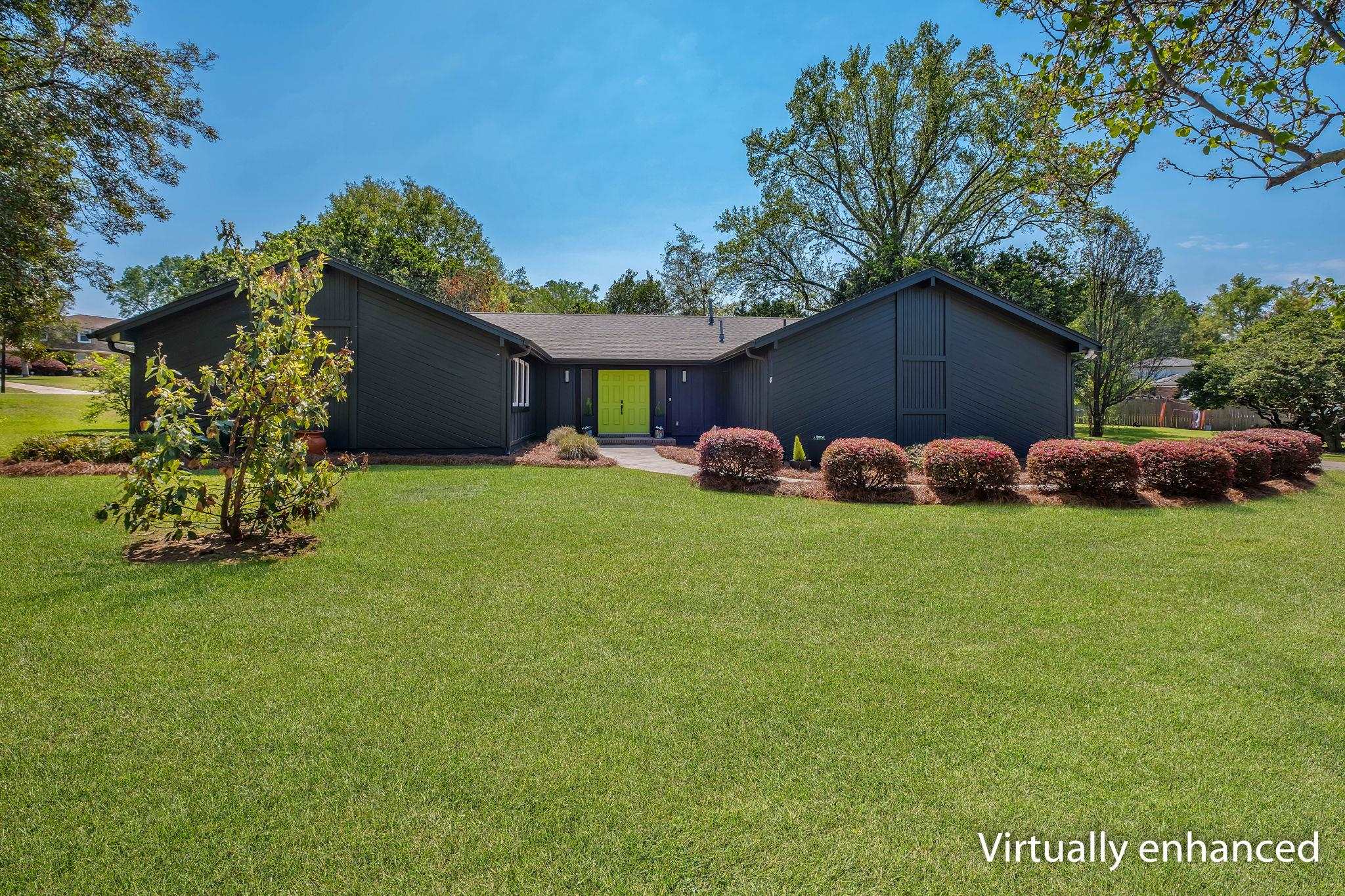
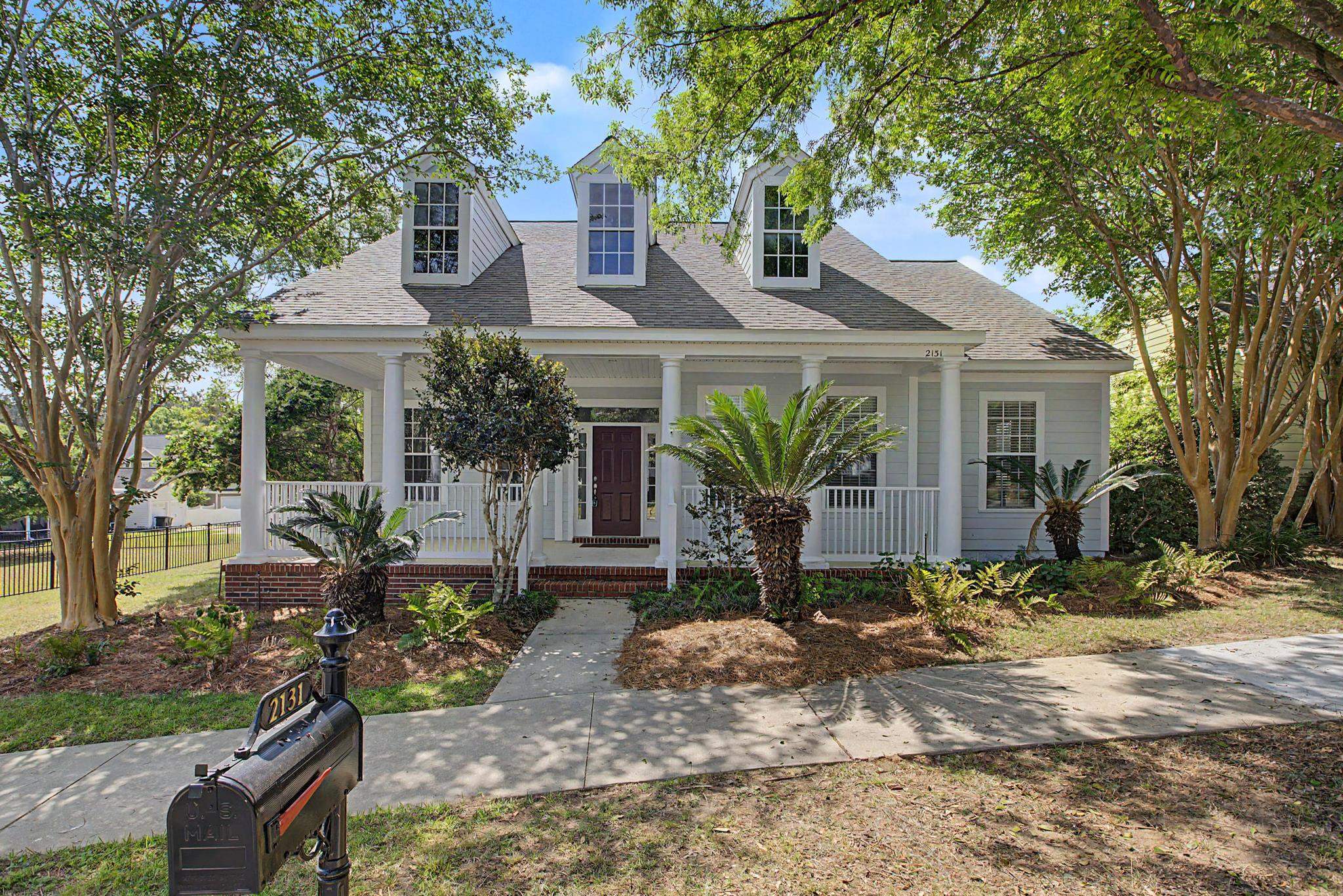
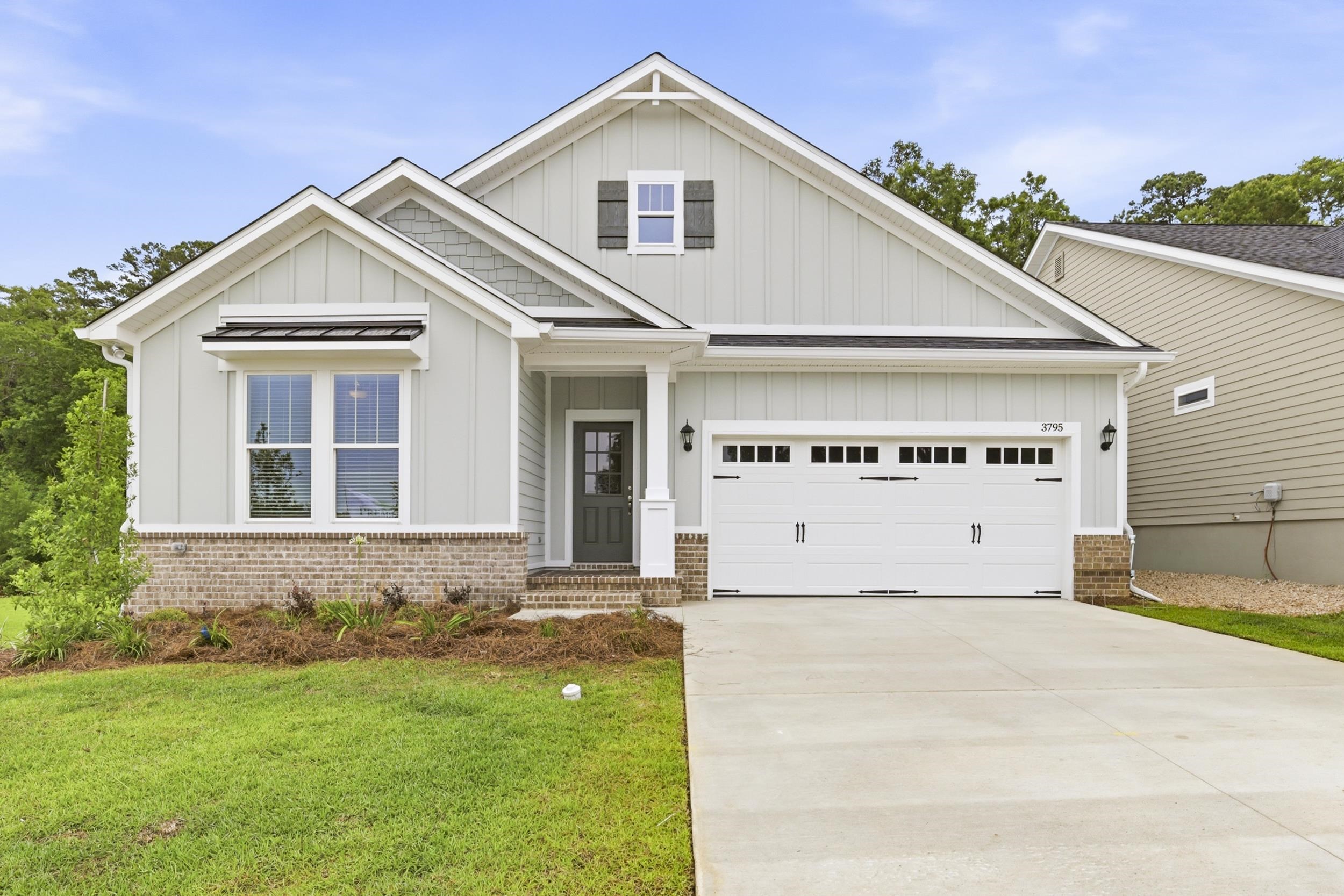
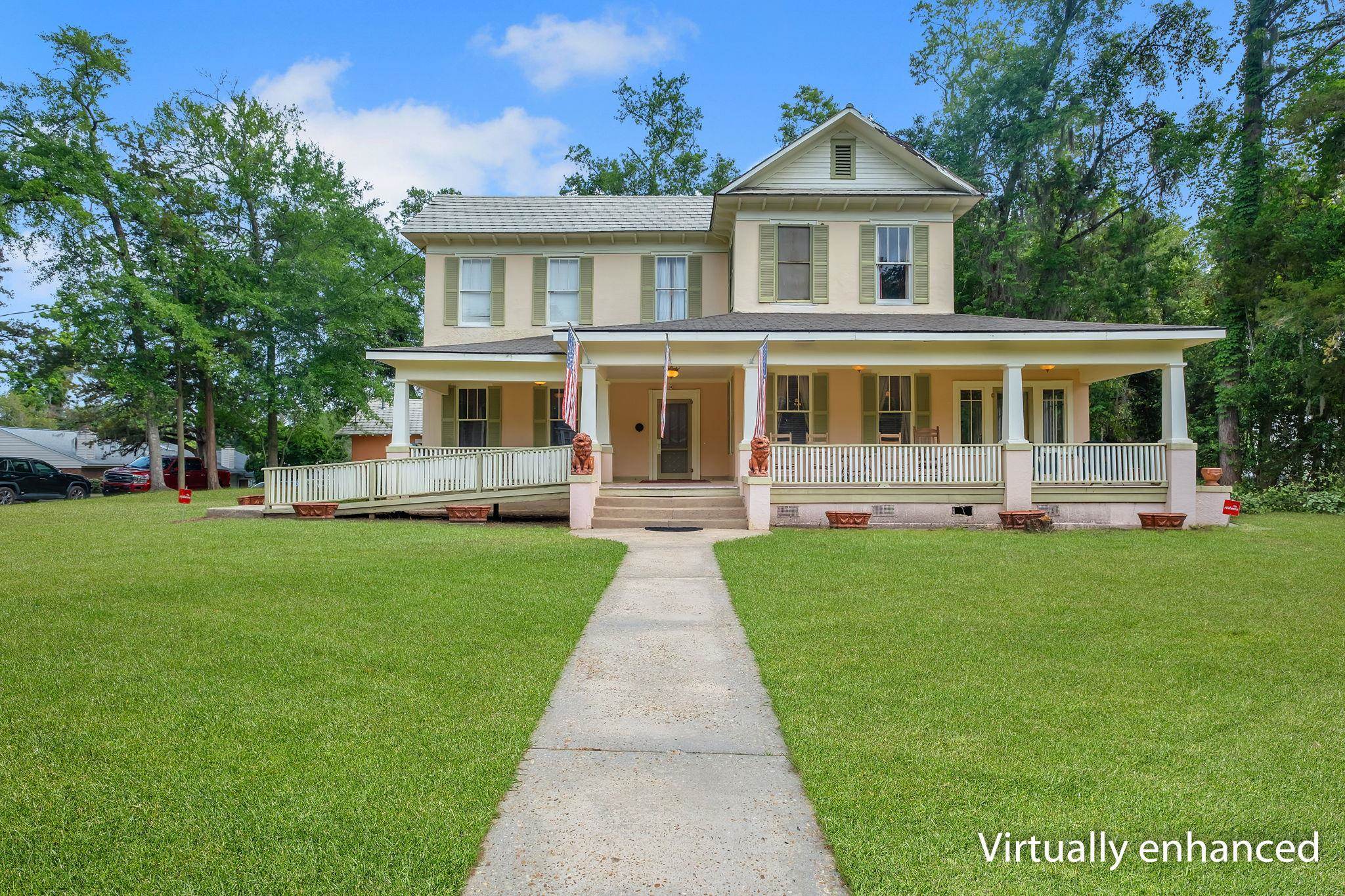
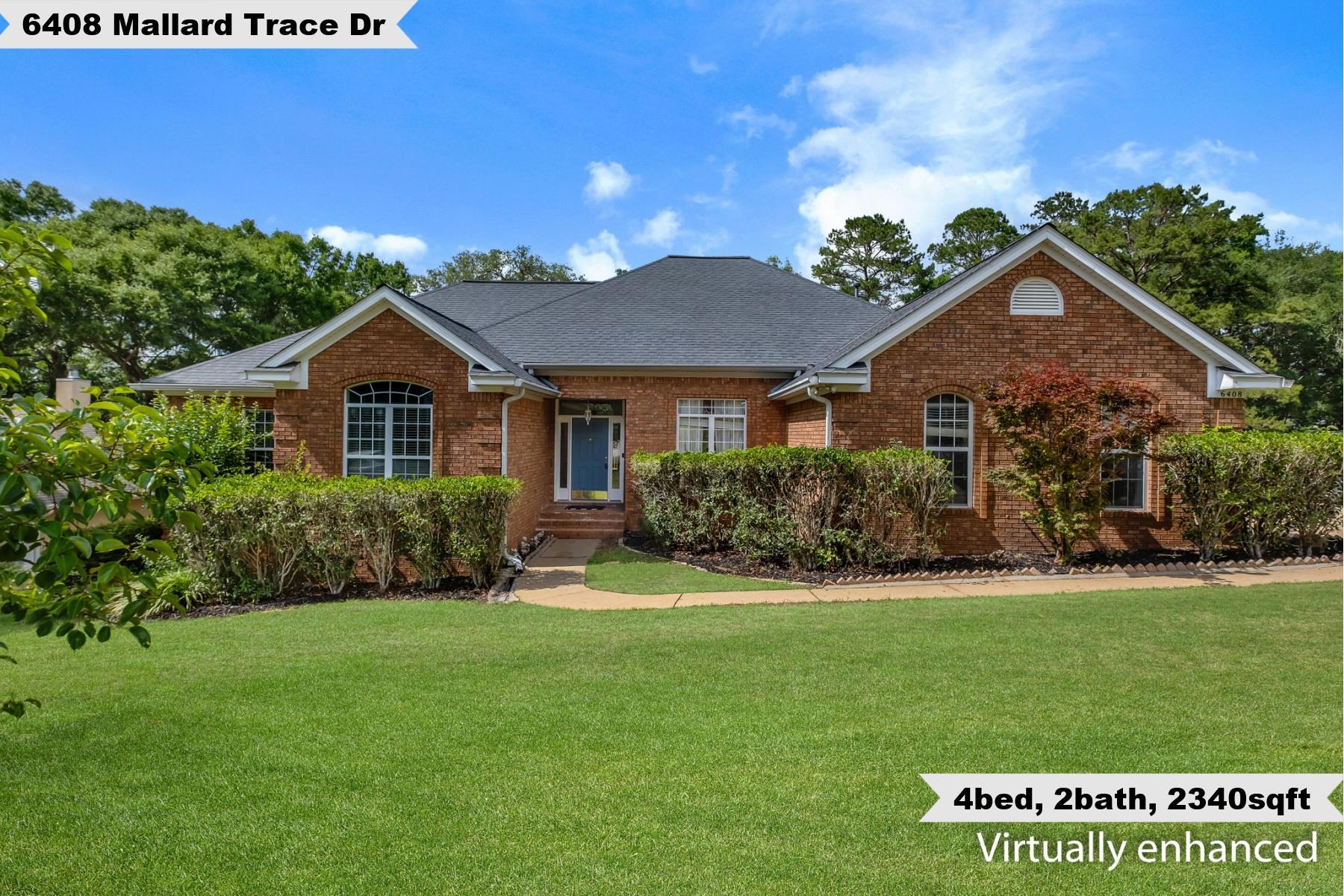
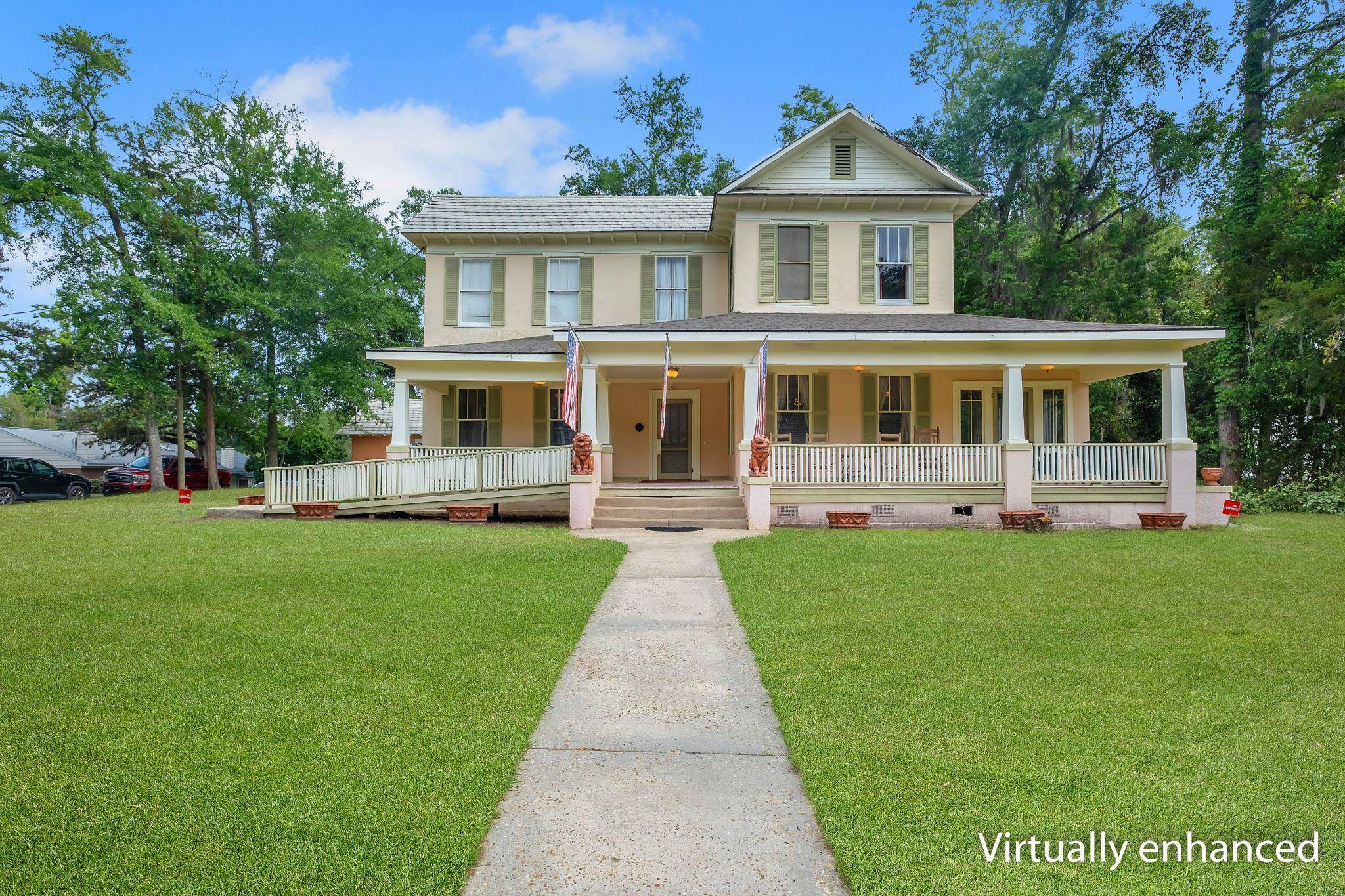
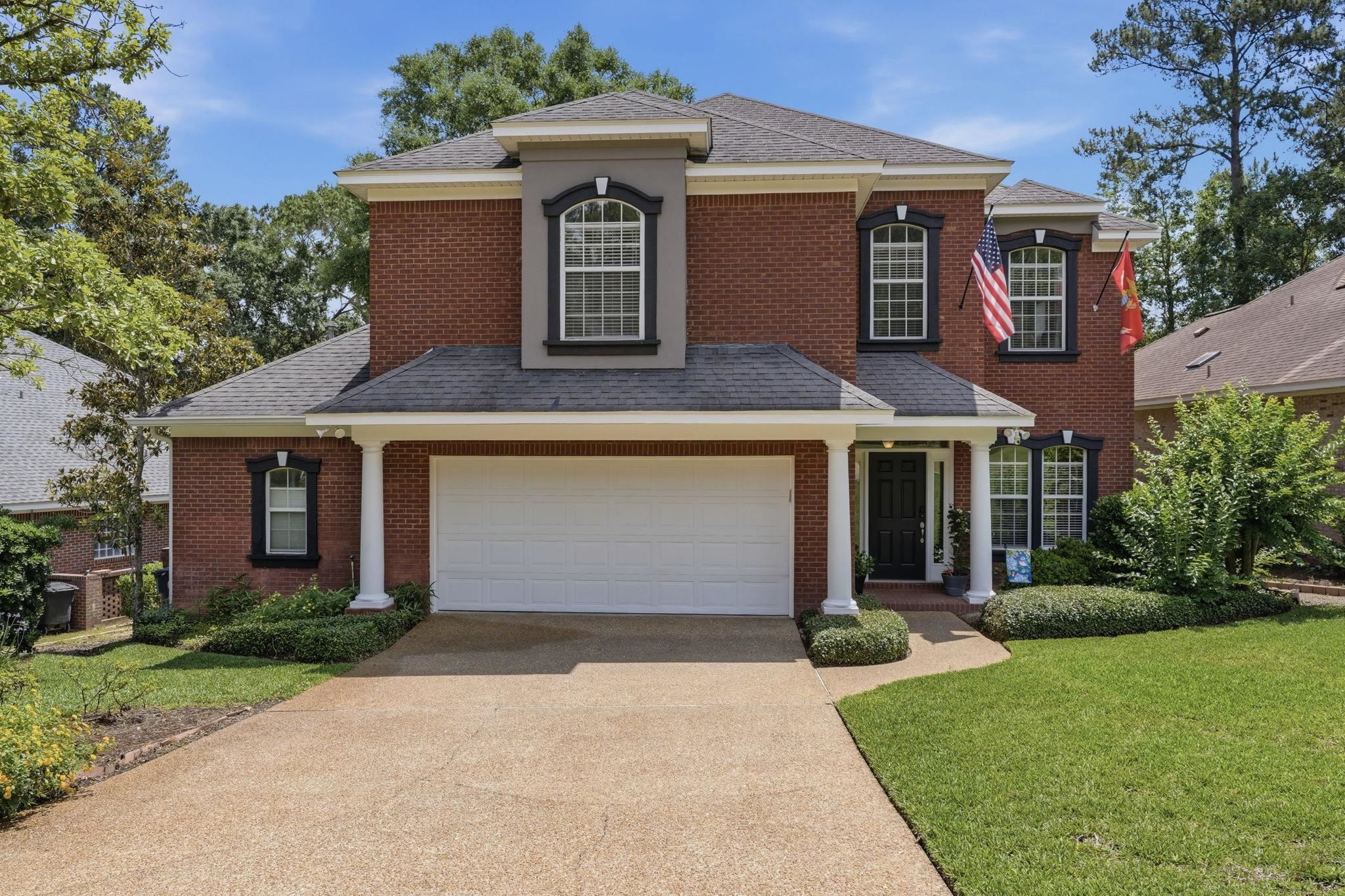
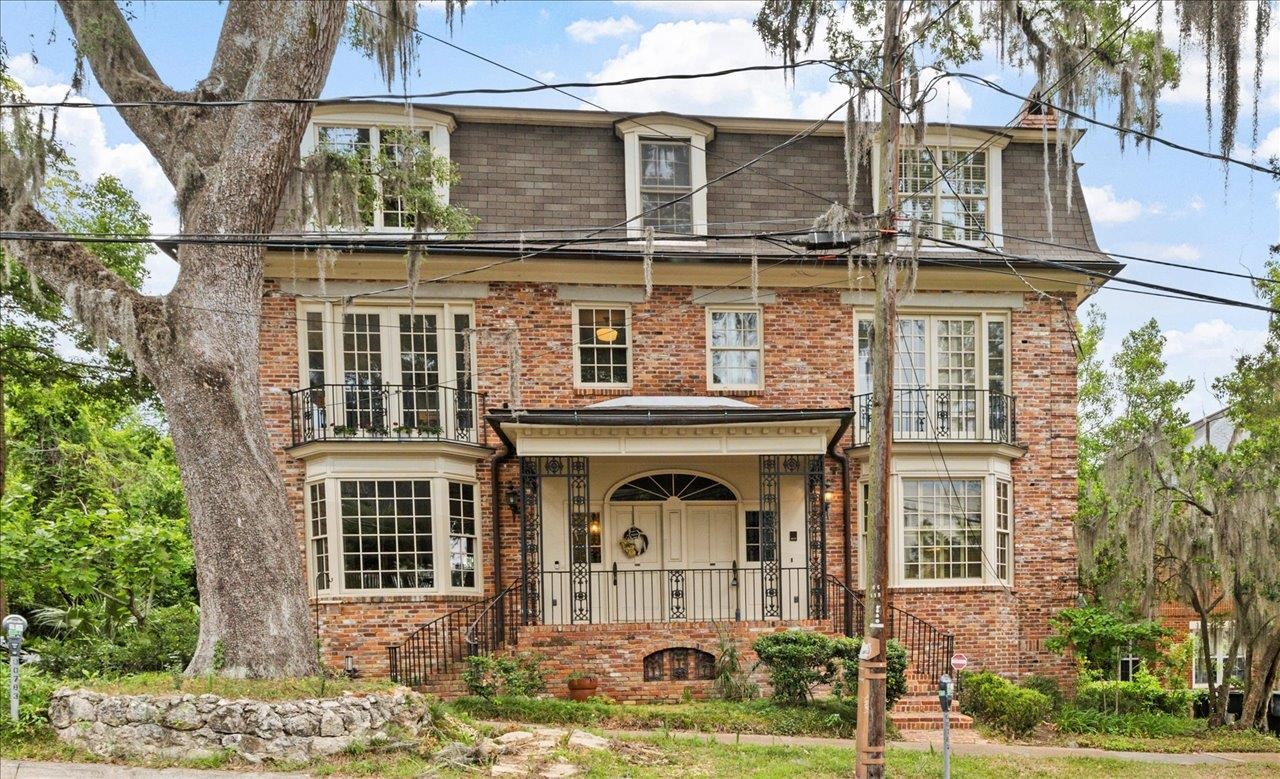
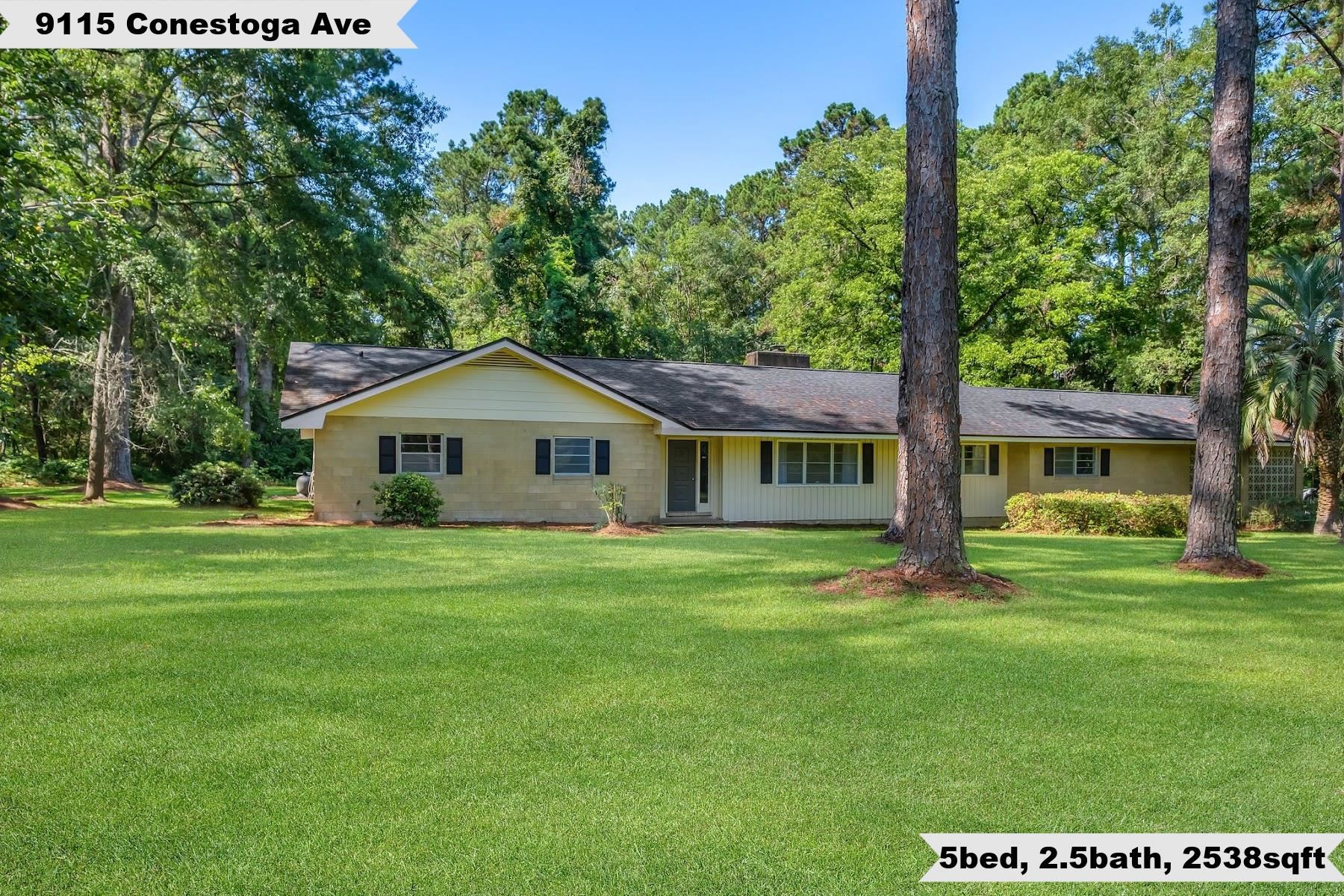
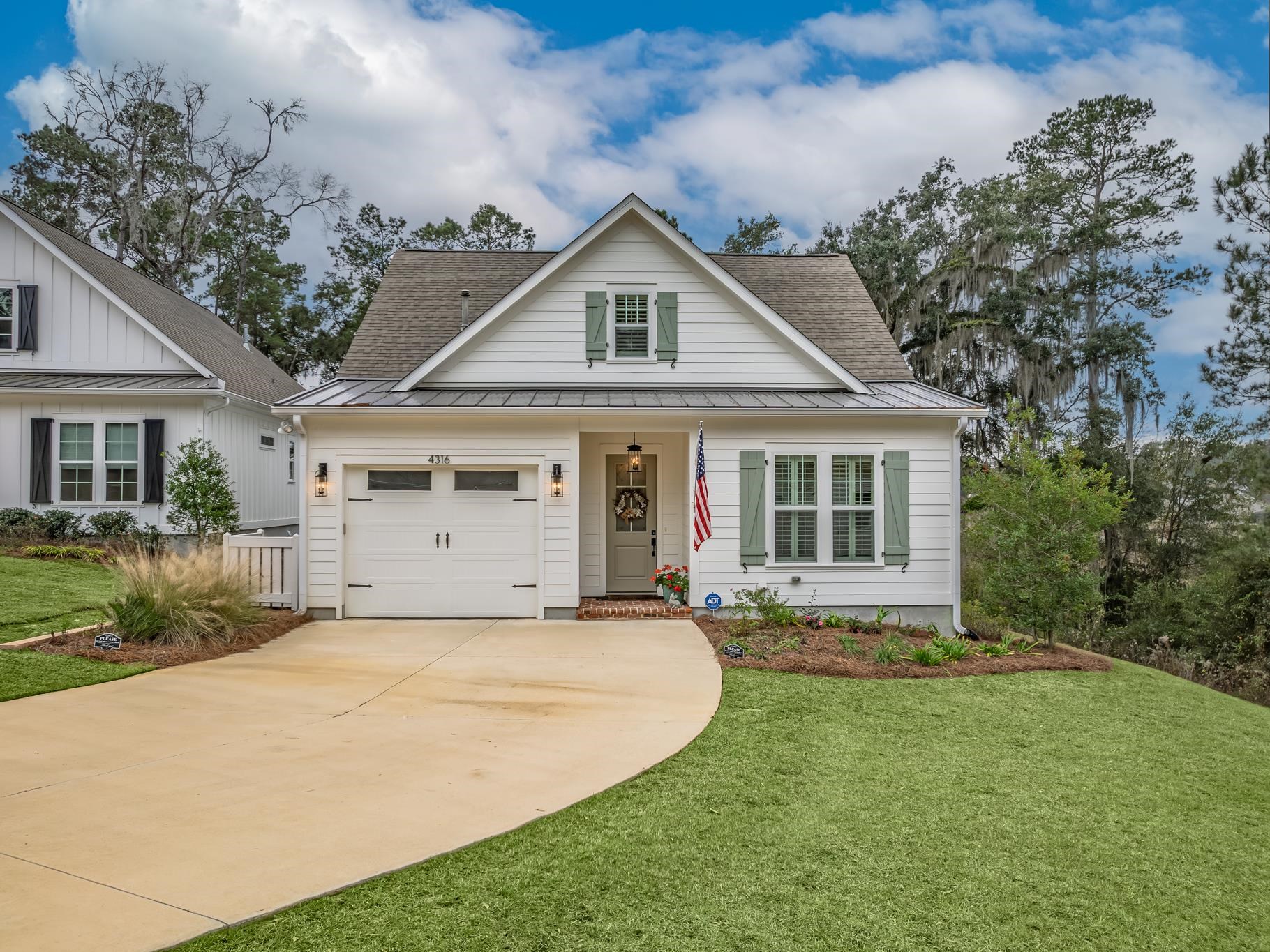
If you are a reader located in Tallahassee (or interested in homes in Tallahassee), the following is a current list of homes for sale with swimming pools (updated multiple times throughout the day). If you find one you want to see, let us know and we’ll get you there right away.
Homes For Sale With Swimming Pools


 Understanding Swimming Pool Maintenance Requirements
Owning a home with a pool entails significant maintenance responsibilities that are essential for keeping the pool in good condition.
Key Maintenance Tasks
- Regular Cleaning: This includes skimming the pool to remove debris, brushing the walls to prevent algae buildup, and using a pool vacuum.
- Chemical Balance: Maintaining the right chemical balance is crucial. Testing the pool water chemistry and adding necessary chemicals is a weekly requirement to ensure the water is safe for swimming.
Time and Effort
- Pool maintenance is not a passive activity. It requires a consistent investment of time and effort. This includes daily checks for skimming and filter function and weekly tasks for vacuuming and chemical adjustments.
Considerations for Potential Owners
- Potential pool owners should be prepared to dedicate time each week to pool maintenance or be willing to budget for pool service. Understanding these responsibilities is crucial before making the decision to buy a home with a pool.
Understanding swimming pool maintenance requirements when owning a home with a pool ensures that you are aware of the time, effort, and dedication needed to keep the pool in optimal condition.
 Pool Life Expectancy
The second tip helps you understand the different types of pool materials, their respective lifespans, and the implications for long-term maintenance and costs. This knowledge is crucial for making an informed decision when purchasing a home with a pool.
Understanding Pool Materials and Lifespan
- Pools are constructed from various materials, each with its own lifespan. The common materials are vinyl, concrete, or fiberglass.
- Vinyl pools tend to have the shortest lifespan, often needing a liner replacement every 5 to 9 years.
- Concrete pools are known for their durability, but they may require resurfacing every 10 to 15 years.
- Fiberglass pools are recognized for their longevity, with some lasting over 25 years without significant maintenance.
Impact of Material on Maintenance and Cost
- The choice of material not only affects the pool’s longevity but also influences maintenance needs and costs. Concrete pools, for instance, may require more chemical balancing and cleaning compared to fiberglass pools.
- Potential buyers should consider the age of the pool and the material it is made of, as this will impact future maintenance and repair costs.
Planning for Long-Term Maintenance
- Understanding the life expectancy of the pool helps in planning for future expenses, such as resurfacing for concrete pools or liner replacement for vinyl pools.
- It is advisable to ask the current homeowner or a pool professional about the pool’s age, maintenance history, and any major repairs done or anticipated soon.
Buy Now Or Wait? The 91.6% Rule
Biased Results? The New York Times Rent Or Buy Calculator

Do's And Don'ts During The Home Loan Process

6 Real Estate Contract Terms You Should Not Overlook

7 Tips On Buying A Home With A Pool
How much house can you actually afford (By Income)?

What Does "Marry The House Date The Rate" Mean In Real Estate?
Why Fixer Uppers Are the New Gold | Home Renovation Guide

8 Tips For Buying An Affordable Florida Vacation Home
 Budgeting for Necessities and Accessories
This tip guides you in understanding and planning for the financial aspects of pool ownership, emphasizing the importance of budgeting for immediate and long-term pool-related expenses.
Initial and Recurring Costs
- Owning a pool involves both one-time and ongoing expenses. Initial costs include necessary equipment like skimmer baskets, filters, pumps, lighting, and heating systems.
- Recurrent expenses predominantly consist of chemicals for water treatment, replacement parts for equipment, and utilities like increased water and electricity usage for pool operation.
Budget Planning for Pool Maintenance
- Prospective homeowners should plan a budget that accounts for these recurring costs. It’s crucial to understand that maintaining a pool is a long-term financial commitment.
- Costs can vary based on pool size, type, and usage but should be estimated and factored into the overall home maintenance budget.
Considerations for Long-Term Expenses
- In addition to regular maintenance, pools may require occasional significant expenditures like replacing a pool liner or resurfacing.
- It’s advisable to have a contingency budget for unexpected repairs or upgrades that might be needed over time.
Pool Opening and Closing Costs
- Homeowners in regions with seasonal weather changes will also need to budget for pool opening and closing costs. This includes preparing the pool for use in the spring and winterizing it in the fall, which can average around $450 each time.
Get Our Free Market Update

Other buyers, sellers, lenders, and real estate agents have this critical information, and now you can too!
Get immediate access to our most recent newsletter.
Let more than 30 years of experience work for you with charts, graphs, and analysis of the Tallahassee housing market.
Each Monday morning we send out a simple, one-page report that provides a snapshot of the Tallahassee housing market. It only takes 2 minutes to read, but it gives you better market intelligence than most real estate agents possess. Just tell us where to send it below!
 Importance of a Pool Inspection


How To Sell Your House On Your Own

10 PROVEN Strategies To Increase A Home's Selling Profit
2025s HOTTEST Home Selling Strategies You Need NOW
The 3-DAY Method To Sell Your Home For More (2025)
The Best Time To Lower The Price In A Home Sale

How FOMO Makes Your Home Sale More Profitable

Home Sale Sabotage: Top 10 Mistakes Sellers Make
 Assessing Ongoing Costs and Outsourcing Maintenance
 Additional Responsibilities and Safety Measures
The Best Time To Lower The Price In A Home Sale
Want to Sell Your Home Quickly and Profitably? Watch This Now
Time-Lapse Tree Removal!

What Does A Realtor Earn?

How To Sell Your House When You Are In A Hurry
Do's And Don'ts During The Home Loan Process
7 Tips On Buying A Home With A Pool
How much house can you actually afford (By Income)?

What Sellers Need To Know About Robo-Offers In Real Estate
 Determining the Value Added by a Pool
This section of the article guides you on how to evaluate the additional value a pool might bring to a property. It covers the importance of considering market trends, consulting professionals, and balancing personal enjoyment against financial investment.
The goal is to provide you with a comprehensive understanding of the factors influencing the value added by a pool to a home. We’ve included a graph that shows a real-world example of how we determine the value a pool adds to a home, something I’ve never seen explained online.
Assessing Market Influence
- The added value of a pool is influenced by several factors, including geographical location, climate, and the type of pool. In warmer climates or regions where pools are in high demand, they can significantly increase a property’s value.
Role of Real Estate Trends and Neighborhoods
- Real estate trends and the standards in a particular neighborhood play a crucial role in determining a pool’s added value. In upscale neighborhoods where pools are common, they may be considered a necessary luxury, thereby adding more value.
As an example, I’ve scoured through 20+ years of MLS data in Tallahassee to determine the added value a pool brings to a home during a sale. In order to remove as many variables as possible, I’ve only chosen existing home sales on non-premium lots (for example, none of these homes are on a golf course, a lake, a river, the ocean, etc.).

Currently, the average existing home with a pool sells for about $60K more than an average home without a pool. This is valuable data for Tallahassee homeowners. So, how do we use it?
For homes near the Tallahassee average, we should assume that pool homes are worth about $60K more. For homes below average, the pool is worth less than an additional $60K. The opposite is true for homes that are above average.
One can perform this same analysis locally to a specific area or home type, and it will yield different results that will guide a buyer (or seller) on the added value that specific pool brings to a sale.
NOTE: I’ve never seen another real estate agent perform this analysis, so you might have to work hard to find an expert in swimming pool valuations if you are outside of the Tallahassee real estate market.
Consulting with Real Estate Professionals
- Engage with real estate professionals or appraisers to understand how a pool impacts a property’s value in the current market. They can provide insights based on comparative market analyses of homes with and without pools.
Considering the Type and Condition of the Pool
- The type of pool (in-ground vs. above-ground) and its condition (age, maintenance history, and features) are key factors in valuation. In-ground pools typically add more value, especially if they are well-maintained and feature upgrades like heating systems or aesthetic enhancements.
Weighing Cost vs. Value
- Understand that the cost of installing and maintaining a pool typically will not be fully recouped in the home’s resale value. It’s important to balance the potential enjoyment and use of the pool against the financial investment if you want to add a pool to a home, but buyers who purchase homes with pools will very often save money compared to those who add a pool to a home that does not have one.
Personal Value vs. Resale Value
- Finally, consider the personal value and enjoyment a pool brings, which might not be quantifiable in monetary terms. For some homeowners, the lifestyle benefits of having a pool can outweigh any financial considerations.







Housing Crash or Boom? Here’s What’s Coming in 2025