Most people see headlines about record-breaking home prices and assume the housing market is unstoppable.

But Redfin’s latest mid-year report comes with an urgent warning that challenges that way of thinking. The median U.S. home-sale price just reached an all-time high of $400,125, yet Redfin isn’t celebrating. Instead, they’re raising the alarm about what’s really happening behind those numbers.
If you’re a buyer, a seller, or just keeping an eye on your home’s value, this report could change how you approach your next move. If you’re in the market now or planning to be, keeping tabs on the market is essential.
In the video and narrative below, we explore why Redfin says this moment deserves your full attention.
Prices are soaring, but beneath the surface, something isn’t adding up. Could this be a warning sign?
Why Record-High Prices Are Creating Tension in the Housing Market
So, why are these record-high prices stirring up so much tension in the housing market right now? On the surface, a median sale price of $396,500 for the four weeks ending June 15, 2025, is another milestone in a long line of housing appreciation. But if you look closer, the numbers reveal a growing disconnect that’s hard to ignore—especially when you compare what sellers want with what buyers are actually paying.

Redfin’s data shows the median asking price during the same period was $422,238. That’s a 6% gap, with homes now selling for well under their list prices. Just a couple of years ago, buyers were getting into bidding wars, often paying more than the asking price. Now, for many, the reverse is true: sellers are watching their homes go for less than they hoped, and buyers are negotiating harder than ever. This “discount trend” marks a big shift in the market’s balance of power, with buyers gaining more leverage even as affordability remains a major hurdle.
But this isn’t just about price tags. The tension is also fueled by the growing mismatch between the number of homes on the market and the number of buyers ready to make a move. New listings are up 4.4% year-over-year, and total listings have increased by 14.5%. Yet, pending sales are down 1.5%. In other words, even as more homes become available, fewer buyers are stepping up to purchase them. This creates an unusual situation where buyers have more options and more negotiating power, but many are still holding back.
Affordability is a big reason for that hesitation.

The median monthly housing payment is $2,820—just $53 below its record high—keeping overall costs at near-peak levels. Add in ongoing economic uncertainty and inflation concerns, and it’s no surprise that many potential buyers are choosing to wait. This isn’t just a case of people missing out; it’s a deliberate pause as they weigh whether buying now makes sense in the long run. The result is a market where both sides are cautious, and deals are harder to close.
Unlike the past few years, we are advising sellers that pricing strategy is no longer optional; it’s essential. “Homes that are overpriced, even slightly, are likely to sit on the market or invite low-ball buyers to negotiate.” Sellers are also being advised to ensure their homes are in top condition and ready for inspection, as buyers are more demanding than they have been in the past four years. The days of simply listing a home and waiting for multiple offers are over; sellers now have to work harder to attract serious buyers.
Still, even with buyers gaining some leverage, the outlook remains uncertain. Redfin predicts a nationwide decline in home-sale prices by year-end, signaling that today’s record highs may not last. If prices do fall, buyers who jump in now could feel the pinch later. However, waiting for a drop is also risky—timing the market is never easy, especially with so many variables in play.
All these factors combine to create a housing market marked by tension and uncertainty. Sellers are adjusting their expectations, buyers are negotiating more aggressively, and both sides are closely monitoring the numbers. Next, we’ll dig into the stalls in listings and sales that explain why.
Keep Up With New Trends In Tallahassee!
Get The Tallahassee Real Estate Newsletter
 Don't be the one that doesn't know what's going on when you sell a home or buy a home in Tallahassee.
Other buyers, sellers, lenders, and real estate agents have this critical information, and now you can too!
Get immediate access to our most recent newsletter.
Let more than 30 years of experience work for you with charts, graphs, and analysis of the Tallahassee housing market.
Fewer Listings, Fewer Buyers: What’s Causing the Market Stalemate?
In May, nearly 15% of home-purchase agreements were canceled, resulting in about 59,000 deals being called off, marking the highest May cancellation rate since 2017. This spike in canceled contracts is just one indication of the significant uncertainty currently gripping both buyers and sellers.
New listings fell 1% year over year—the first drop in nearly six months—while pending sales sank 3.2%, the steepest slide in four months.
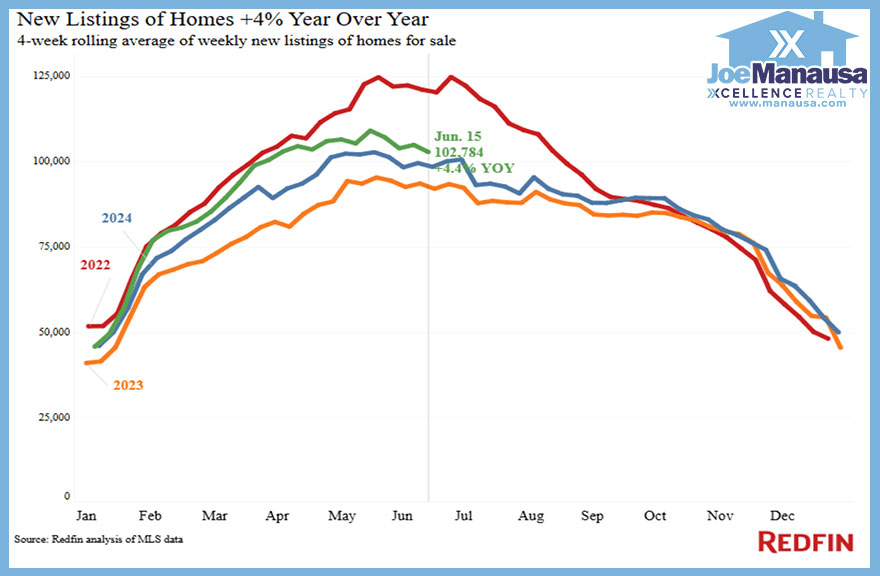
The result is a standoff: buyers aren’t rushing in, and sellers are pulling back, creating a market where movement has slowed on both sides.
Specific markets, such as Tampa, San Antonio, and Orlando, saw double-digit listing declines, underscoring widespread seller caution. Homeowners in these areas, and others like them, are thinking twice before putting their properties on the market, often out of concern that they won’t get the price they want or that their homes will sit unsold.
On the buyer side, affordability remains a major barrier.

Mortgage rates have come down slightly—recently dipping to 6.67% before bouncing back above 6.8%, their lowest since early April—but they’re still high by recent standards. Home prices haven’t fallen enough to offset the impact of these rates, so many would-be buyers are still priced out or hesitant to make a commitment. This hesitancy is clear in the numbers: fewer pending sales, more canceled deals, and an overall sense that buyers are waiting for a better opportunity. The hope is that mortgage rates will drop further, but experts warn that significant relief isn’t likely anytime soon.
When I analyze the traffic on my website, I find that buyers are often browsing rather than buying, holding out for lower rates. But this strategy has its risks. Waiting too long could mean missing out on current negotiating power or seeing prices rise again if the market rebounds. For now, though, many buyers prefer to sit on the sidelines rather than stretch their budgets in an uncertain environment.
Sellers, for their part, are also shifting their strategies, turning to the data for proper home valuations. With buyers becoming more selective and negotiations tougher, sellers who overprice their homes are likely to see them linger on the market. Some homeowners are even considering renting out their properties instead of selling, a solid practice in markets that are underbuilt.
This mutual hesitation is what’s driving the current stalemate. Buyers are cautious about affordability and future price trends, while sellers are wary of listing in a market that no longer guarantees quick, high offers. The result is fewer homes listed, fewer buyers ready to commit, and a higher rate of canceled contracts—a dynamic that’s putting the brakes on the housing market’s momentum.
With both sides holding back, the pace of home price growth is also starting to slow. Despite record-high prices, the market’s cool-down is becoming more pronounced. So, what’s behind this shift, and how is it reflected in the latest price data?







Housing Crash or Boom? Here’s What’s Coming in 2025

BIGGEST Housing Market Myth EXPOSED by New Foreclosure Data
Slowing Growth: A Sign of a Market Shift?
Home prices grew just 0.7% year-over-year in May—the slowest since June 2023. This slow pace stands out against the backdrop of recent years when bidding wars and double-digit annual increases were the norm. Now, the market’s momentum is clearly shifting.
 Still, 29% of homes sold above list price, which is the lowest for May in five years, but still means that nearly one in three sellers are getting more than they asked for their homes. The other two-thirds of sellers are starting to feel the squeeze as fewer buyers are willing or able to pay premium prices. High housing costs, persistent inflation, and mortgage rates that remain well above pandemic-era lows continue to discourage many from entering the market. Redfin’s senior economist, Sheharyar Bokhari, puts it plainly: Sellers are feeling pressure because buyers are putting their searches on hold in response to these affordability challenges.
Regional differences are becoming more pronounced as the market cools. While places like Oakland, Jacksonville, and Dallas saw double-digit percentage drops, Northeast metros such as Philadelphia (+10.9%), New Brunswick (+8.4%), and Providence (+7.7%) powered ahead. This underscores how local conditions can diverge sharply, even as the broader national trend is toward slower growth.
Zooming in further, two-thirds of the 50 largest metro areas experienced price dips month-over-month in May, with Charlotte leading the declines at -2.7%. Even major cities like San Francisco and Seattle experienced monthly drops, while a handful of markets, including Nassau County, San Diego, and Fort Lauderdale, reported modest gains. The result is a patchwork market, with some regions cooling quickly and others holding steady or even climbing.
Even with rates dipping slightly, high payments still discourage many buyers. The median monthly payment remains historically elevated, keeping affordability out of reach for a large share of would-be homeowners. This is leading to fewer offers, longer times on the market, and more negotiating room for buyers who do decide to move forward. Sellers, meanwhile, are adjusting expectations.
For buyers, this slower growth and the pressure on sellers can open up opportunities. More negotiating power and less competition mean it’s possible to secure better terms or a lower price than would have been possible just a year ago. The key is to pay close attention to local trends and stay realistic about what your budget can handle.
This cooling doesn’t signal an imminent crash, but it does reflect a meaningful shift in the balance of power and the pace of the market. Affordability headwinds remain, but the changing landscape means buyers who act thoughtfully could benefit from the current environment. For anyone considering a move, understanding these signs of slowing growth is essential to making the right decision in today’s market.

The Best Time To Lower The Price In A Home Sale

Want to Sell Your Home Quickly and Profitably? Watch This Now
Time-Lapse Tree Removal!

What Does A Realtor Earn?

How To Sell Your House When You Are In A Hurry

Do's And Don'ts During The Home Loan Process

7 Tips On Buying A Home With A Pool

How much house can you actually afford (By Income)?

What Sellers Need To Know About Robo-Offers In Real Estate
Focus On Your Local Supply & Demand
Historical data indicate that home prices rarely decline, occurring roughly once every 17 years.

The only times we’ve seen extended declines were during the Great Depression, World War II, and the Great Recession. This is why waiting for a big drop involves a significant risk for most buyers. For instance, people who decided not to buy last year saw prices go up by about 4%, making it harder for them to afford a home.
If you’re planning to stay in your home long-term, today’s market—even at record highs—offers a better opportunity than holding out for a rare, multi-year downturn. Over time, most homeowners benefit from appreciation, and currently, a slight dip in mortgage rates provides buyers with an opportunity to secure more favorable terms.
Always remember that national trends don’t always align with your local market. Analyze what’s happening in your area before making a move. Work with an agent who understands local market conditions. If you want to better understand how the US housing market got to be so screwed up, I address it in my recent video explaining what happened to affordable housing in America, you should check it out!